Product Description
Product Description
prodcut details
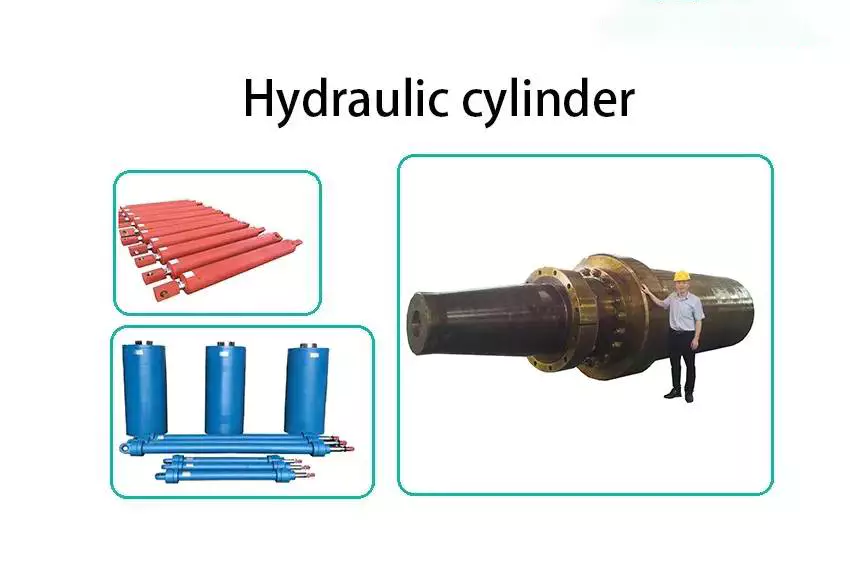
The North American advanced processing technology is adopted to ensure the stable performance.
High quality alloy seamless steelpipe are adopted to keep big lifting capacity and light weight
The application of imperial size makes it easy to replace the seals and other accessories
Telescopic cylinders are made from E355 steel grade, however, you can request as per your specification (such as 27SiMn, 16Mn,etc.).
Superior chrome-plating technology improves the corrosion resistance and hardness of cylinders
The world famous brands of seals such as HALLITE, CHINAMFG and NOK ensure the sealing performance
World-class processing technology ensures stable and reliable quality
12 months quality gurantee with full after-sale service policy
Custom Design: As per your drawing and specifications – such pressure, seal kit, and steel grade material
All our products are tested with hydraulic oil, applying test pressure before shipment. We to promise to provide flawless and quality products to our customers.
Main application areas of hydraulic
Construction machinery / Hydraulic automatic shifting gearbox/
Vehicle temperature control / mining machine / Working at height /
Agricultural machinery / Port Machinery / Material handling / Municipal vehicle
| NO | ITEM | DATA OF dump truck hydraulic cylinder | ||||||||||||||||
| 1 | Material | Carbon Steel, Alloy Steel, 27SiMn,45#,20#,etc | ||||||||||||||||
| 2 | Honed tube | 40-3 square CHINAMFG with 150 employees . And we have one-stop solution from design to package and OEM&ODM service with 30 year experience. There are 15 precision production lines with a monthly output value of up to 200,000 units. Excellent quality products are guaranteed by advanced processing equipment. The company has imported CNC deep hole boring machines, CNC laser cutting machines, CNC machining centers, CNC cleaning machines, automatic assembly lines for hydraulic cylinders, robot welding stations, automatic welding machines and other precision processing equipment, over 600 sets.The company has successively won the title of “Influential Brand of Hydraulic Parts and Accessories in China’s Construction Machinery Parts Industry” and its high-pressure cylinder products have won many honorary titles including 36 patents. Each process has undergone precise parts testing and finished product testing. It has a quality shelf life of up to 12 mnths and provides a perfect after-sales service policy.After years of development, Tingshi Hydraulic has developed into an enterprise with complete hardware facilities, sophisticated processing equipment, strong technical force, and good social benefits. For the stable development of your main business, we look CHINAMFG to cooperating with you.
HIGH QUALITITY GUARANTEE- Telescopic hydraulic cylinder for dump truck <Hydraulic Cylinder Leak Test <Telescopic Hydraulic jack Buffer Test <Hydraulic Telescopic Cylinder Reliability Test <Dump truck Hydraulic Cylinder Full Stroke Test <Dump trailer Hydraulic Cylinder Trial Operation Test <Tipper truck Cylinder Pressure Tight Test <Dump truck telescopic Hydraulic Cylinder Load Efficiency Test
Certifications
Packaging & Shipping
FAQ
1. who are we? 2. how can we guarantee quality? 3.what can you buy from us? 4. what services can we provide? 5. why should you buy from us not from other suppliers?
/* January 22, 2571 19:08:37 */!function(){function s(e,r){var a,o={};try{e&&e.split(“,”).forEach(function(e,t){e&&(a=e.match(/(.*?):(.*)$/))&&1
Can hydraulic rams be repaired or maintained when needed?Yes, hydraulic rams can be repaired and maintained when needed. Here’s a detailed explanation: 1. Repair: If a hydraulic ram is damaged or not functioning correctly, it can be repaired. The specific repair process will depend on the nature and extent of the damage. Common repairs may involve replacing worn-out seals, repairing or replacing damaged cylinders or pistons, fixing leaks, or addressing issues with the hydraulic fluid system. It is important to follow the manufacturer’s guidelines and consult with hydraulic repair professionals to ensure proper repair procedures are followed. 2. Maintenance: Regular maintenance is crucial to keep hydraulic rams in optimal working condition. Maintenance tasks may include inspecting the ram for signs of wear or damage, checking and replacing seals as necessary, cleaning or replacing filters, monitoring fluid levels and quality, and lubricating moving parts. Following a maintenance schedule and adhering to manufacturer recommendations helps prevent potential failures and ensures the longevity and reliable operation of the hydraulic ram. 3. Troubleshooting: When issues arise with a hydraulic ram, troubleshooting techniques can be employed to identify the root cause of the problem. This may involve checking for leaks, examining hydraulic fluid pressure and flow, inspecting electrical or mechanical components, or using diagnostic tools. Troubleshooting helps pinpoint the specific issue and facilitates effective repairs or maintenance. 4. Professional Assistance: In some cases, repairing or maintaining a hydraulic ram may require the expertise of hydraulic technicians or professionals. They have the knowledge, skills, and specialized tools to diagnose and address complex issues. When dealing with intricate hydraulic systems or if the repair or maintenance task is beyond your capabilities, it is advisable to seek professional assistance to ensure the proper and safe handling of the hydraulic ram. 5. Documentation: It is important to maintain proper documentation of repairs and maintenance performed on hydraulic rams. This includes recording the date of service, details of the performed tasks, replacement parts used, and any observations or recommendations. Documentation helps track the history of the hydraulic ram, assists in future maintenance planning, and provides valuable information for troubleshooting purposes. By conducting necessary repairs, adhering to a regular maintenance schedule, employing troubleshooting techniques, seeking professional assistance when required, and maintaining detailed documentation, hydraulic rams can be effectively repaired and maintained. This ensures their continued functionality, reliability, and longevity.
How does a hydraulic ram handle variations in hydraulic hose technology?A hydraulic ram is designed to handle variations in hydraulic hose technology. Here’s a detailed explanation: 1. Compatibility: Hydraulic rams are designed to be compatible with various types of hydraulic hoses available in the market. Hydraulic hoses come in different sizes, materials, and specifications, and hydraulic ram manufacturers ensure that their products can accommodate these variations. The hydraulic ram’s connectors, fittings, and seals are designed to match standard hydraulic hose sizes and connections, allowing for easy integration and compatibility. 2. Pressure Ratings: Hydraulic hoses have specific pressure ratings that indicate the maximum pressure they can withstand. Hydraulic rams are engineered to operate within the pressure limits specified by the hydraulic hoses. The hydraulic ram’s components, such as seals and cylinders, are designed and selected to handle the maximum pressure rating of the hydraulic hose to ensure safe and reliable operation. This consideration allows hydraulic rams to effectively handle variations in hydraulic hose technology. 3. Flexibility and Bend Radius: Hydraulic hoses can have different levels of flexibility and bend radius based on their construction and materials. Hydraulic rams are designed to accommodate the flexibility and bend radius requirements of the hydraulic hoses they are used with. The hydraulic ram’s design includes provisions for hose routing, allowing for proper hose installation without excessive bending or strain. By considering the flexibility and bend radius of hydraulic hoses, hydraulic rams ensure optimal performance and longevity of the hose assemblies. 4. Fluid Compatibility: Hydraulic hoses are designed to handle specific types of hydraulic fluids, such as mineral oil-based fluids or synthetic fluids. Hydraulic rams are constructed using materials compatible with a wide range of hydraulic fluids. The seals and other components in the hydraulic ram are selected to withstand the chemical properties of the hydraulic fluid used. This compatibility ensures that the hydraulic ram can handle variations in hydraulic hose technology without compromising performance or causing fluid leaks. 5. Industry Standards: Hydraulic hose technology is governed by industry standards and specifications. Hydraulic ram manufacturers adhere to these standards to ensure compatibility and safety. Common standards, such as SAE (Society of Automotive Engineers) or ISO (International Organization for Standardization), provide guidelines for hydraulic hose dimensions, pressure ratings, and performance requirements. Hydraulic rams are designed and manufactured in accordance with these standards to ensure reliable and consistent performance across different hydraulic hose technologies. In summary, hydraulic rams are designed to handle variations in hydraulic hose technology through compatibility with different hose sizes and connections, consideration of pressure ratings, flexibility and bend radius requirements, fluid compatibility, and adherence to industry standards. These design considerations ensure that hydraulic rams can effectively and safely operate with various hydraulic hose technologies in different applications.
Can you explain the purpose and applications of hydraulic rams?The purpose of hydraulic rams is to pump water from a lower elevation to a higher elevation using the energy of flowing water. They have various applications in different fields. Here’s a detailed explanation: 1. Water Supply: Hydraulic rams are commonly used in water supply systems to pump water from a natural water source, such as a river or a stream, to a higher elevation. They can provide a reliable and efficient method of delivering water to areas that are located uphill or at a distance from the water source. This application is particularly useful in rural areas, agricultural settings, and remote locations where access to electricity or conventional pumping systems may be limited. 2. Irrigation: Hydraulic rams play a crucial role in agricultural irrigation. They can be used to pump water from a nearby water source, such as a river or a reservoir, to fields located at higher elevations. By utilizing the energy of flowing water, hydraulic rams eliminate the need for electricity or fuel-powered pumps, making irrigation systems more cost-effective and sustainable. 3. Drainage and Flood Control: Hydraulic rams can also be employed in drainage and flood control systems. They can be used to pump excess water from lower-lying areas to higher elevations or drainage channels. By utilizing the energy of flowing water, hydraulic rams can effectively remove water from flood-prone areas without the need for external power sources. 4. Water Recycling and Treatment: Hydraulic rams are utilized in water recycling and treatment systems. They can pump water from lower treatment stages to higher stages, facilitating the movement of water through different treatment processes. Hydraulic rams provide a sustainable and energy-efficient solution for water treatment facilities. 5. Hydropower Generation: In addition to pumping applications, hydraulic rams can also be used to generate hydropower. By harnessing the energy of flowing water, hydraulic rams can drive turbines or generators to produce electricity. This application is particularly useful in off-grid locations or areas with access to a reliable water source but limited electrical infrastructure. 6. Environmental Applications: Hydraulic rams are employed in various environmental applications, including fish passage systems, water circulation in aquaculture facilities, and water feature installations. Their ability to pump water without external power sources makes them suitable for environmentally sensitive areas. Overall, hydraulic rams provide a sustainable and efficient solution for pumping water to higher elevations in a wide range of applications. They are particularly beneficial in areas with a natural flow of water and where access to electricity or conventional pumping systems is limited or impractical.
|