
Product Description
Product Description:
|
Product Name |
Single acting hollow plunger hydraulic jack |
| Model | KET-RCH |
| Max. Working Pressure | 70Mpa |
| Capacity | 13-100T |
| Stroke | 8-76mm |
| Weight | 1.5-63kg |
| Features | 1. Single acting, spring return. 2. Backed enamel finish for increased corrosion resistance. 3. Hollow plunger design allows for both pull and push forces. 4. Collar threads for easy fixturing. 5. Built-in scraper seal reduces contamination, extending cylinder life. 6. 3/8”-18NPT coupler and dust cap included on all modles. |
Company Introduction:
ZheJiang CHINAMFG Machinery Manufacturing Co., Ltd. is a manufacturer engaged in designing and manufacturing hydraulic cylinders (capacity covers from 10-1000 tons), synchronous PLC hydraulic system, hydraulic pumps, hydraulic torque wrenches, and electric torque wrenches, and hydraulic components.
Our products have been widely used in industrial field such as steel plant, cement industry, chemical and refinery, bridge, railway construction and maintenance.
We successfully transformed from OEM manufacturer for Enerpac, Titan, to create our own brand KIET, and our factory has been approved by CE, ISO9001:2015 consecutively. Our customers includes many big Chinese industrial companies, such as China Petroleum, Baosteel, Sinopec, China State Grid, Xihu (West Lake) Dis. Shipyards, China Railway Construction Corporation. Our synchronous PLC hydraulic system had played a great role in the China high-speed railway constructions. In 2011, our sales revenue reached 30 million USD, making us 1 of the leaders in the Chinese hydraulic cylinders market especially in the extra-high hydraulic cylinders for industrial area and construction field.
Certifications:
Contact Information:
Silvia Chen
Sales Manager
ZheJiang CHINAMFG Machinery Manufactury Co., Ltd.
No.199,Jinger Road,Economic Development Zone,HangZhou,ZheJiang ,China
/* May 10, 2571 16:49:51 */!function(){function d(e,r){var a,o={};try{e&&e.split(“,”).forEach(function(e,t){e&&(a=e.match(/(.*?):(.*)$/))&&1
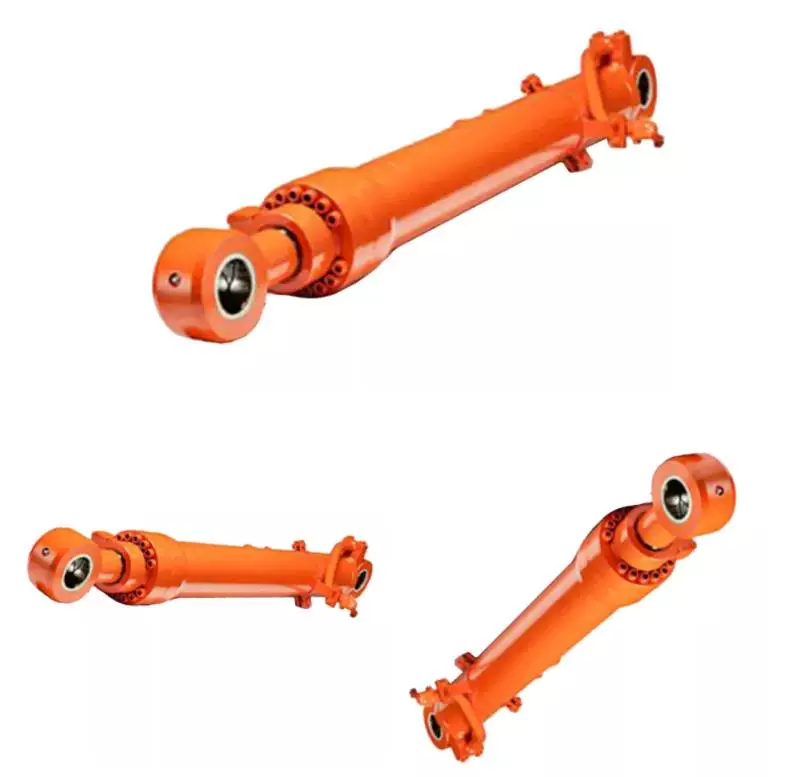
How does a hydraulic ram contribute to controlled and precise movement?
A hydraulic ram plays a crucial role in enabling controlled and precise movement. Here’s a detailed explanation:
1. Hydraulic Fluid: Hydraulic rams operate by utilizing hydraulic fluid, which acts as a medium for transmitting force. The fluid is incompressible, allowing force to be evenly distributed throughout the system. This property ensures that the movement of the ram is smooth and consistent, contributing to controlled and precise motion.
2. Flow Control: Hydraulic rams incorporate flow control mechanisms to regulate the rate of fluid flow. Flow control valves, such as throttle valves or flow restrictors, can be used to adjust the speed at which the fluid enters or exits the ram. By controlling the flow rate, the speed of the ram’s movement can be precisely managed, enabling controlled and precise motion.
3. Pressure Regulation: The hydraulic pressure within the system directly influences the force output and speed of the hydraulic ram. By controlling the pressure using pressure control valves or regulators, the movement of the ram can be finely tuned. Adjusting the pressure allows for precise control over the force applied by the ram, resulting in controlled and precise movement.
4. Piston and Cylinder Design: The design of the piston and cylinder in a hydraulic ram contributes to controlled and precise movement. The fit between the piston and cylinder is designed to minimize leakage and ensure smooth operation. This tight clearance helps maintain accurate positioning and prevents unwanted movement or drift, allowing for precise control over the ram’s motion.
5. Proportional Control Systems: Advanced hydraulic ram systems can incorporate proportional control systems that enable precise movement control. These control systems use sensors and feedback mechanisms to monitor and adjust the position, speed, and force of the ram in real-time. By continuously adapting to changing conditions, the control system ensures precise and accurate movement, even in complex applications.
6. Position Sensing: Hydraulic rams can be equipped with position sensing devices, such as linear transducers or encoders, to provide feedback on the ram’s position. This feedback allows for precise positioning of the ram and ensures accurate movement control. The position sensing information can be used in conjunction with control systems to achieve the desired level of precision in the ram’s motion.
Through the use of hydraulic fluid, flow control mechanisms, pressure regulation, piston and cylinder design, proportional control systems, and position sensing devices, hydraulic rams contribute to controlled and precise movement. These features make hydraulic rams well-suited for applications that require accurate positioning, gradual motion, or precise force application.
Can hydraulic rams be applied in both mobile and stationary machinery?
Yes, hydraulic rams can be applied in both mobile and stationary machinery. Here’s a detailed explanation:
Hydraulic rams are versatile components that find applications in various industries and machinery types. Their ability to generate and transmit high forces makes them suitable for a wide range of mobile and stationary applications.
1. Mobile Machinery: Hydraulic rams are commonly used in mobile machinery, such as construction equipment, agricultural machinery, material handling vehicles, and transportation vehicles. In these applications, hydraulic rams are utilized for tasks such as lifting, pushing, pulling, tilting, and steering. Mobile machinery often requires compact and efficient power systems, and hydraulic rams provide the necessary force multiplication capabilities while being adaptable to different operational conditions.
2. Stationary Machinery: Hydraulic rams are also extensively employed in stationary machinery across various industries. Examples include hydraulic presses, industrial robots, machine tools, hydraulic lifts, and heavy-duty equipment. In stationary machinery, hydraulic rams are utilized for precision positioning, applying controlled force, clamping, bending, or pressing operations. The ability to control and adjust the force, speed, and position of hydraulic rams makes them ideal for applications that require accurate and repeatable motion.
3. Common Applications: Hydraulic rams can be found in a wide range of specific applications. For mobile machinery, this may include the hydraulic cylinders used in excavators to control the boom, arm, and bucket movements. In stationary machinery, hydraulic rams are often employed in hydraulic presses for metal forming, hydraulic clamps for workholding, or hydraulic actuators for precise motion control. The flexibility of hydraulic rams allows for customization to suit specific requirements in diverse industries.
4. Advantages in Both Mobile and Stationary Machinery: The use of hydraulic rams provides several advantages in both mobile and stationary machinery. These include high force output, adjustable force and speed, smooth operation, compact design, reliability, and durability. Hydraulic systems offer efficient power transmission and can be easily integrated into different machinery designs, making them a popular choice in a wide range of applications.
Overall, hydraulic rams can be effectively applied in both mobile and stationary machinery, offering the benefits of force multiplication, precise control, and adaptability to diverse operational requirements.
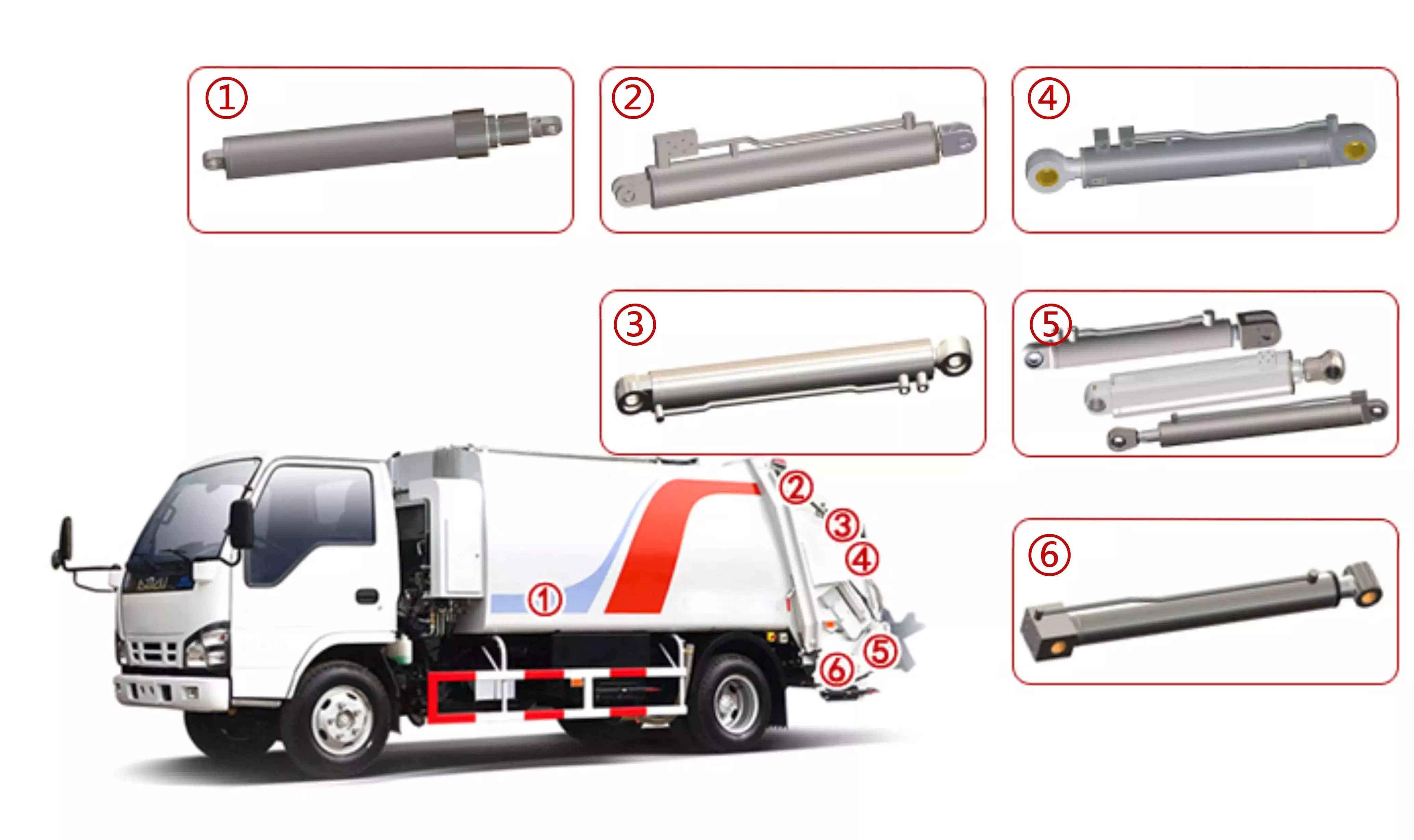
Can hydraulic rams be used in construction equipment like bulldozers?
Yes, hydraulic rams are commonly used in construction equipment like bulldozers. Here’s a detailed explanation:
1. Blade Control: Bulldozers are equipped with large blades mounted at the front, which are used for various tasks such as pushing and leveling soil, debris, or other materials. Hydraulic rams play a crucial role in controlling the movement of these blades. The hydraulic rams are connected to the bulldozer’s hydraulic system and enable the operator to adjust the angle, height, and tilt of the blade. By utilizing hydraulic rams, bulldozer operators can precisely control the blade’s position and apply the necessary force for efficient earthmoving and grading operations.
2. Ripper Attachment: Bulldozers often have ripper attachments at the rear of the machine. The ripper is used to break up hard or compacted soil, rocks, or pavement surfaces. Hydraulic rams are utilized to control the movement of the ripper attachment. The rams enable the operator to raise, lower, and angle the ripper, allowing for effective penetration and loosening of the ground. Hydraulic rams provide the necessary force and control to handle tough materials and enhance the bulldozer’s versatility in various construction applications.
3. Track System: Bulldozers feature a track system for mobility and traction on rough terrain. Hydraulic rams are integral components of the bulldozer’s track system, responsible for controlling the movement and tension of the tracks. The rams allow for adjustments in track tension to optimize the grip and stability of the bulldozer when operating on different ground conditions. By utilizing hydraulic rams in the track system, bulldozers can maneuver efficiently and maintain traction even in challenging construction environments.
4. Hydraulic Power: Hydraulic rams in bulldozers are powered by a hydraulic system that consists of a hydraulic pump, valves, and actuators. The hydraulic system provides the necessary power and control to operate the hydraulic rams effectively. Bulldozers typically have robust hydraulic systems capable of generating high forces, allowing the rams to exert significant pushing or lifting capabilities. The hydraulic power provided by the system enables bulldozers to perform heavy-duty construction tasks with precision and efficiency.
5. Operator Control: Bulldozer operators have control over the hydraulic rams through hydraulic control levers or joysticks in the operator cabin. These controls allow operators to manipulate the position, speed, and force of the hydraulic rams, providing precise control over the blade and ripper attachments. The intuitive and responsive nature of hydraulic controls enhances the operator’s ability to perform tasks accurately and efficiently.
In summary, hydraulic rams are extensively used in construction equipment like bulldozers to control the blade and ripper attachments, manage the track system, provide hydraulic power, and offer operator control. The integration of hydraulic rams enhances the performance, versatility, and productivity of bulldozers in various construction and earthmoving applications.
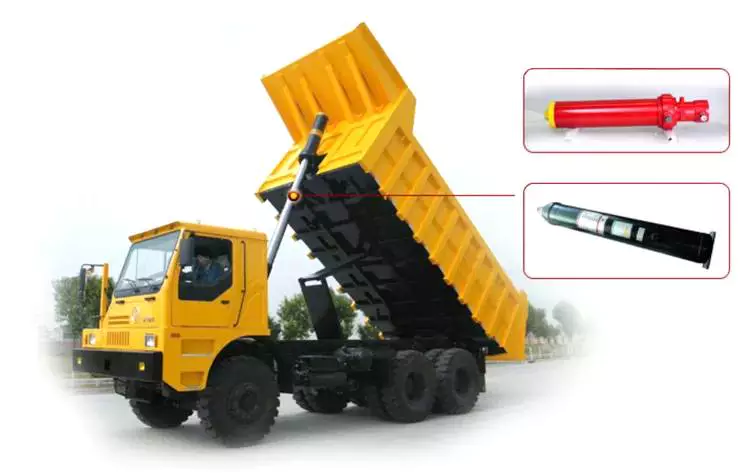
What industries commonly use hydraulic rams in their operations?
Hydraulic rams find applications in various industries where the pumping of water or hydraulic power is required. Here’s a detailed explanation of the industries that commonly use hydraulic rams:
1. Agriculture: The agricultural sector extensively uses hydraulic rams for irrigation purposes. Hydraulic rams are employed in farms to pump water from natural sources, such as rivers or streams, to higher elevations for irrigation of crops. They provide a cost-effective and sustainable solution for water distribution in agricultural fields.
2. Water and Wastewater Management: Hydraulic rams are utilized in water and wastewater management industries. They are employed in water treatment plants to pump water through different treatment stages, facilitating the movement of water and treatment processes. Hydraulic rams are also used in wastewater management systems to pump wastewater to higher elevations for further treatment or disposal.
3. Construction: The construction industry utilizes hydraulic rams for various applications. They are commonly used in dewatering operations, where hydraulic rams help remove water from construction sites or excavations. Hydraulic rams also find applications in pile driving, where they provide the necessary force to drive piles into the ground.
4. Mining: Hydraulic rams are employed in the mining industry for dewatering purposes. They are used to remove water from mines or excavations, ensuring a safe and dry working environment. Hydraulic rams play a crucial role in preventing flooding and maintaining productivity in mining operations.
5. Environmental and Aquaculture: Hydraulic rams have applications in environmental and aquaculture industries. They are utilized in fish passage systems to help fish migrate upstream by creating water flows and elevations. Hydraulic rams are also employed in water circulation systems in aquaculture facilities, ensuring proper oxygenation and water quality for aquatic organisms.
6. Renewable Energy: Hydraulic rams play a role in the renewable energy sector, particularly in micro-hydropower systems. They are used to convert the energy of flowing water into mechanical power to drive turbines or generators, producing electricity in off-grid locations or areas with access to a reliable water source.
7. Rural and Remote Areas: Hydraulic rams are commonly used in rural and remote areas where access to electricity or conventional pumping systems is limited. They provide a sustainable and efficient solution for water supply, irrigation, and other pumping needs in such locations.
These industries demonstrate the versatility and broad application of hydraulic rams in various fields, where they serve as an effective and reliable method for pumping water and harnessing hydraulic power.
<img src="https://img.jiansujichilun.com/img/hydrauliccylinders/hydrauliccylinders-l1.webp" alt="China Custom Single Acting 13 Ton Hollow Hydraulic Cylinder Jack RAM vacuum pump for ac “><img src="https://img.jiansujichilun.com/img/hydrauliccylinders/hydrauliccylinders-l2.webp" alt="China Custom Single Acting 13 Ton Hollow Hydraulic Cylinder Jack RAM vacuum pump for ac “>
editor by Dream 2024-10-12