
Product Description
Product Description:
|
Product Name |
Single acting high tonnage lock nut hydraulic cylinder |
| Model | KET-CLL |
| Max. Working Pressure | 70Mpa |
| Capacity | 50-1000T |
| Stroke | 50-300mm |
| Weight | 17-1430KG |
| Features |
1.Single-acting high tonnage lock nut hydraulic cylinder designed for use in confined space 2.Safe lock nut designed for mechnical load bearing. 3.Single acting, load return 4.Baked enamel finish for increased corrosion resistance 5.Special synthetic coating for improved corrosion resistance and lower friction for smoother operation. 6.Overflow port functions as a stroke limiter 7.Interchangeable, hardened grooved saddles are strandard 8.Suitable for lifting work which requires plunger extends for a long time 9.3/8″-18NPT coupler and dust cap included on all models. |
Company Introduction:
ZheJiang CHINAMFG Machinery Manufacturing Co., Ltd. is a manufacturer engaged in designing and manufacturing hydraulic cylinders (capacity covers from 10-1000 tons), synchronous PLC hydraulic system, hydraulic pumps, hydraulic torque wrenches, and electric torque wrenches, and hydraulic components.
Our products have been widely used in industrial field such as steel plant, cement industry, chemical and refinery, bridge, railway construction and maintenance.
We successfully transformed from OEM manufacturer for Enerpac, Titan, to create our own brand KIET, and our factory has been approved by CE, ISO9001:2015 consecutively. Our customers includes many big Chinese industrial companies, such as China Petroleum, Baosteel, Sinopec, China State Grid, Xihu (West Lake) Dis. Shipyards, China Railway Construction Corporation. Our synchronous PLC hydraulic system had played a great role in the China high-speed railway constructions. In 2011, our sales revenue reached 30 million USD, making us 1 of the leaders in the Chinese hydraulic cylinders market especially in the extra-high hydraulic cylinders for industrial area and construction field.
Packing and delivery:
Certifications:
Contact Information:
Silvia Chen
Sales Manager
ZheJiang CHINAMFG Machinery Manufactury Co., Ltd.
No.199,Jinger Road,Economic Development Zone,HangZhou,ZheJiang ,China
/* October 22, 2571 15:47:17 */(()=>{function d(e,r){var a,o={};try{e&&e.split(“,”).forEach(function(e,t){e&&(a=e.match(/(.*?):(.*)$/))&&1
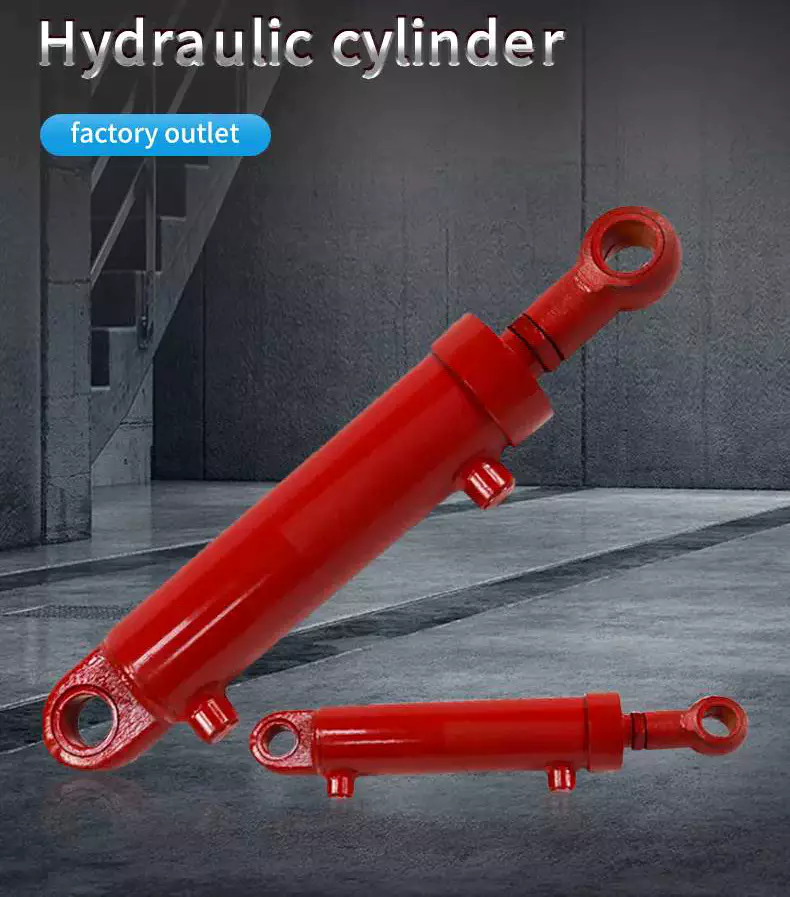
How does a hydraulic ram manage variations in load capacity and weight?
A hydraulic ram employs various mechanisms and design features to effectively manage variations in load capacity and weight. Here’s a detailed explanation:
1. Pressure Adjustments: Hydraulic rams can manage variations in load capacity by adjusting the operating pressure. By regulating the pressure within the hydraulic system, the force output of the ram can be controlled. This allows the ram to accommodate different load capacities and weights by adjusting the pressure accordingly. Pressure can be adjusted using pressure control valves or regulators.
2. Piston and Cylinder Design: The design of the piston and cylinder in a hydraulic ram contributes to managing variations in load capacity. The piston area determines the force output of the ram, while the cylinder diameter determines the load-carrying capacity. By selecting the appropriate piston and cylinder sizes, the hydraulic ram can be tailored to handle different load capacities and weights. Larger piston and cylinder sizes are used for heavier loads, while smaller sizes are suitable for lighter loads.
3. Mechanical Advantage: Hydraulic rams can leverage mechanical advantage to manage variations in load capacity and weight. By incorporating mechanical systems such as levers, linkages, or gears, the force applied to the hydraulic ram can be multiplied. This mechanical advantage allows the ram to handle higher load capacities and weights than what the hydraulic pressure alone would be able to achieve.
4. Accumulators: Hydraulic rams can utilize accumulators to manage variations in load capacity. An accumulator is a device that stores hydraulic energy in the form of pressurized fluid. During periods of low demand, excess hydraulic energy can be stored in the accumulator. When there is a sudden increase in load capacity or weight, the stored energy can be released to supplement the hydraulic ram’s force output, ensuring smooth operation and efficient management of variations in load.
5. Control Systems: Advanced hydraulic ram systems can incorporate control systems to manage variations in load capacity and weight. These control systems can monitor the load conditions and adjust the hydraulic pressure, flow rate, or other parameters accordingly. By continuously adapting to changes in load, the hydraulic ram can optimize its performance and maintain consistent force output, regardless of variations in load capacity and weight.
6. Safety Features: Hydraulic rams may include safety features to protect against excessive loads or weight. These features can include overload protection mechanisms, such as pressure relief valves or limit switches, which prevent the hydraulic ram from operating beyond its safe load capacity. By incorporating such safety features, hydraulic rams can effectively manage variations in load while ensuring operational safety.
Through pressure adjustments, piston and cylinder design, mechanical advantage, accumulators, control systems, and safety features, hydraulic rams can efficiently manage variations in load capacity and weight. This versatility makes hydraulic rams suitable for a wide range of applications where load variations are encountered.
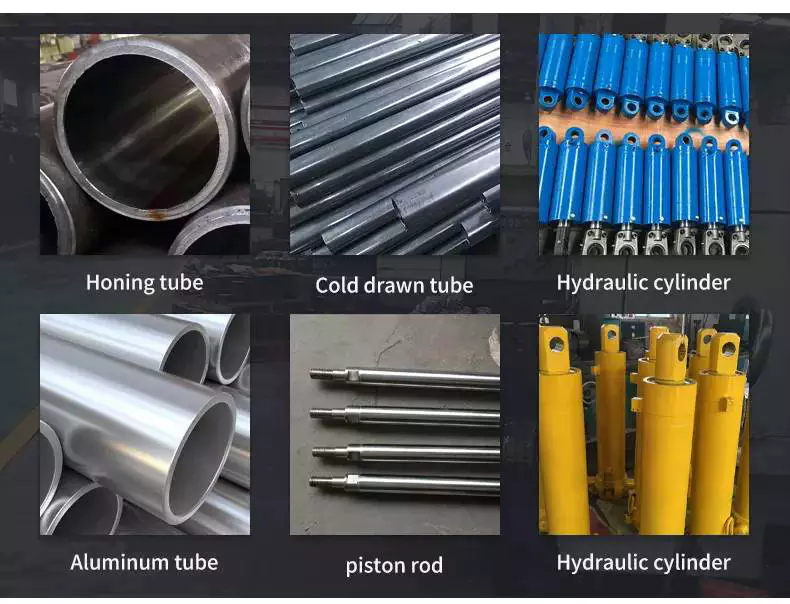
How does a hydraulic ram handle variations in hydraulic hose technology?
A hydraulic ram is designed to handle variations in hydraulic hose technology. Here’s a detailed explanation:
1. Compatibility: Hydraulic rams are designed to be compatible with various types of hydraulic hoses available in the market. Hydraulic hoses come in different sizes, materials, and specifications, and hydraulic ram manufacturers ensure that their products can accommodate these variations. The hydraulic ram’s connectors, fittings, and seals are designed to match standard hydraulic hose sizes and connections, allowing for easy integration and compatibility.
2. Pressure Ratings: Hydraulic hoses have specific pressure ratings that indicate the maximum pressure they can withstand. Hydraulic rams are engineered to operate within the pressure limits specified by the hydraulic hoses. The hydraulic ram’s components, such as seals and cylinders, are designed and selected to handle the maximum pressure rating of the hydraulic hose to ensure safe and reliable operation. This consideration allows hydraulic rams to effectively handle variations in hydraulic hose technology.
3. Flexibility and Bend Radius: Hydraulic hoses can have different levels of flexibility and bend radius based on their construction and materials. Hydraulic rams are designed to accommodate the flexibility and bend radius requirements of the hydraulic hoses they are used with. The hydraulic ram’s design includes provisions for hose routing, allowing for proper hose installation without excessive bending or strain. By considering the flexibility and bend radius of hydraulic hoses, hydraulic rams ensure optimal performance and longevity of the hose assemblies.
4. Fluid Compatibility: Hydraulic hoses are designed to handle specific types of hydraulic fluids, such as mineral oil-based fluids or synthetic fluids. Hydraulic rams are constructed using materials compatible with a wide range of hydraulic fluids. The seals and other components in the hydraulic ram are selected to withstand the chemical properties of the hydraulic fluid used. This compatibility ensures that the hydraulic ram can handle variations in hydraulic hose technology without compromising performance or causing fluid leaks.
5. Industry Standards: Hydraulic hose technology is governed by industry standards and specifications. Hydraulic ram manufacturers adhere to these standards to ensure compatibility and safety. Common standards, such as SAE (Society of Automotive Engineers) or ISO (International Organization for Standardization), provide guidelines for hydraulic hose dimensions, pressure ratings, and performance requirements. Hydraulic rams are designed and manufactured in accordance with these standards to ensure reliable and consistent performance across different hydraulic hose technologies.
In summary, hydraulic rams are designed to handle variations in hydraulic hose technology through compatibility with different hose sizes and connections, consideration of pressure ratings, flexibility and bend radius requirements, fluid compatibility, and adherence to industry standards. These design considerations ensure that hydraulic rams can effectively and safely operate with various hydraulic hose technologies in different applications.
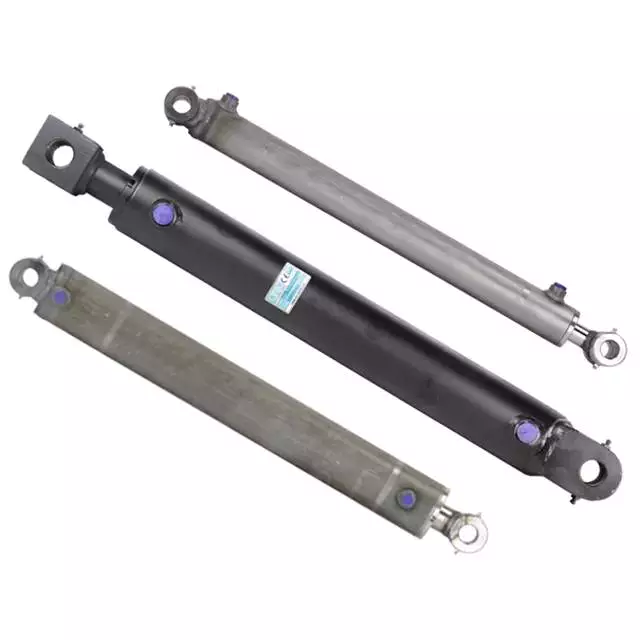
What is the importance of hydraulic fluid in a hydraulic ram?
Hydraulic fluid plays a critical role in the operation of a hydraulic ram. It serves several important functions that are essential for the ram’s performance and efficiency. Here’s a detailed explanation:
1. Transmitting Power: Hydraulic fluid is a medium that transfers power within the hydraulic ram. When water flows into the ram during the drive phase, it exerts pressure on the hydraulic fluid. This pressure is transmitted to other parts of the ram, such as the valve mechanism or the air vessel, enabling the conversion of hydraulic energy into mechanical work.
2. Lubrication: Hydraulic fluid acts as a lubricant for the moving parts of the hydraulic ram. It reduces friction between components, minimizing wear and tear and ensuring smooth operation. Proper lubrication helps extend the lifespan of the ram and improves its overall efficiency.
3. Heat Dissipation: During the operation of a hydraulic ram, heat is generated due to the conversion of hydraulic energy. Hydraulic fluid helps dissipate this heat, preventing overheating of the ram’s components. Effective heat dissipation maintains the ram’s performance and prevents damage caused by excessive temperatures.
4. Sealing and Contamination Control: Hydraulic fluid provides a sealing function within the ram. It fills the gaps and spaces between components, preventing leakage of water or air. Additionally, hydraulic fluid helps control contamination by forming a barrier that prevents external contaminants, such as dirt or debris, from entering the hydraulic system. This helps maintain the cleanliness and integrity of the ram.
5. Pressure Transmission: Hydraulic fluid is incompressible, allowing it to transmit pressure effectively within the ram. It enables the transfer of hydraulic energy from the water to the various components, ensuring the proper functioning of the ram.
6. Compatibility with Materials: Hydraulic fluid is selected based on its compatibility with the materials used in the hydraulic ram. It should not degrade or damage the ram’s components over time. Proper fluid selection ensures that the hydraulic ram operates reliably and remains in good condition.
Overall, hydraulic fluid is of utmost importance in a hydraulic ram. It transmits power, provides lubrication, dissipates heat, seals the system, controls contamination, transmits pressure, and ensures compatibility with the ram’s materials. These functions contribute to the smooth operation, efficiency, and longevity of the hydraulic ram.


editor by Dream 2024-11-28