
Product Description
3000PSI High Quality Customized Hydraulic Ram Used By Excavator Attachment Parts
About Our Company
HangZhou GD Machinery Co., Ltd. is a specialized manufacturer and trader with main products: hydraulic cylinders, hydraulic power units, hydraulic manifolds-blocks, hydraulic flanges,pneumatic cylinders and custom-made components and parts, like industrial valves.
Our sales markets have covered our sales markets have covered North America, Europe, Australia and Japan.
Draft for Hydraulic Ram Used By Excavator Attachment
The Process Flow of Hydraulic Ram Used By Excavator Attachment
The Machinery to Produce Hydraulic Ram Used By Excavator Attachment
The Packing for Hydraulic Ram Used By Excavator Attachment
Welcome to send us a quotation. We’d like to give you the best survice.
| Certification: | ISO9001 |
|---|---|
| Pressure: | 2500psi |
| Work Temperature: | Normal Temperature |
| Samples: |
US$ 100/Piece
1 Piece(Min.Order) | Order Sample |
|---|
| Customization: |
Available
|
|
|---|
.shipping-cost-tm .tm-status-off{background: none;padding:0;color: #1470cc}
| Shipping Cost:
Estimated freight per unit. |
about shipping cost and estimated delivery time. |
|---|
| Payment Method: |
|
|---|---|
|
Initial Payment Full Payment |
| Currency: | US$ |
|---|
| Return&refunds: | You can apply for a refund up to 30 days after receipt of the products. |
|---|
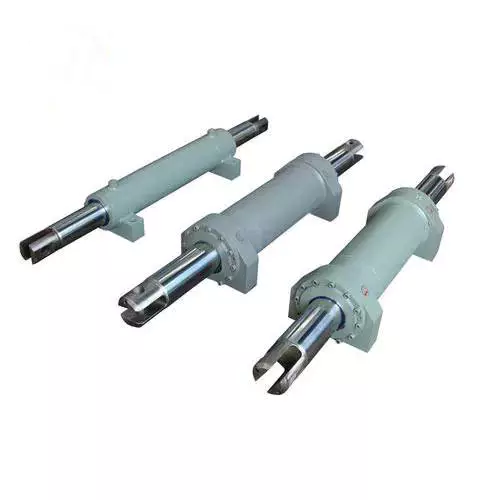
How does a hydraulic ram contribute to efficient and powerful force generation?
A hydraulic ram utilizes specific design principles and mechanisms to generate efficient and powerful forces. Here’s a detailed explanation:
1. Water Hammer Effect: The hydraulic ram harnesses the water hammer effect to generate powerful forces. When water flows into the ram during the drive phase, it gains velocity and momentum. As the water reaches a certain pressure threshold, the valve mechanism rapidly closes, creating a water hammer effect. This sudden closure of the valve generates a high-pressure pulse that propels a portion of the water to a higher elevation, producing a powerful force.
2. Momentum Transfer: The hydraulic ram efficiently transfers the momentum of flowing water to generate force. The momentum of the moving water is converted into mechanical work as the water hammer effect occurs. By utilizing the kinetic energy of the water, the hydraulic ram maximizes the efficiency of force generation.
3. Energy Recovery: One of the key features of a hydraulic ram is its ability to recover and reuse energy. As the water hammer effect occurs and the high-pressure pulse lifts a portion of the water, the remaining water in the ram’s drive pipe decelerates. This deceleration allows the kinetic energy of the water to be converted back into potential energy, which can be used to pump a new cycle of water. This energy recovery mechanism enhances the overall efficiency of the hydraulic ram.
4. Mechanical Advantage: A hydraulic ram incorporates mechanical advantage through its design. The valve mechanism and other components are optimized to multiply the force generated by the water hammer effect. By leveraging mechanical advantage, the hydraulic ram can produce a more powerful force output compared to the input force from the flowing water.
5. Self-Sustaining Operation: A hydraulic ram operates in a self-sustaining manner, requiring minimal external power sources. Once the ram is set up and primed with water, it can continue to operate using the energy of flowing water. This self-sustainability contributes to the efficiency of force generation, as it eliminates the need for continuous external energy input.
6. Simple and Robust Design: The design of a hydraulic ram is relatively simple and robust, enabling efficient force generation. The absence of complex components reduces friction and energy losses. Additionally, the robust design ensures durability and long-term reliability, making hydraulic rams suitable for various applications.
Through the water hammer effect, momentum transfer, energy recovery, mechanical advantage, self-sustaining operation, and a simple yet robust design, a hydraulic ram maximizes the efficiency and power of force generation. These features make hydraulic rams an effective and reliable choice for pumping water and harnessing hydraulic power.
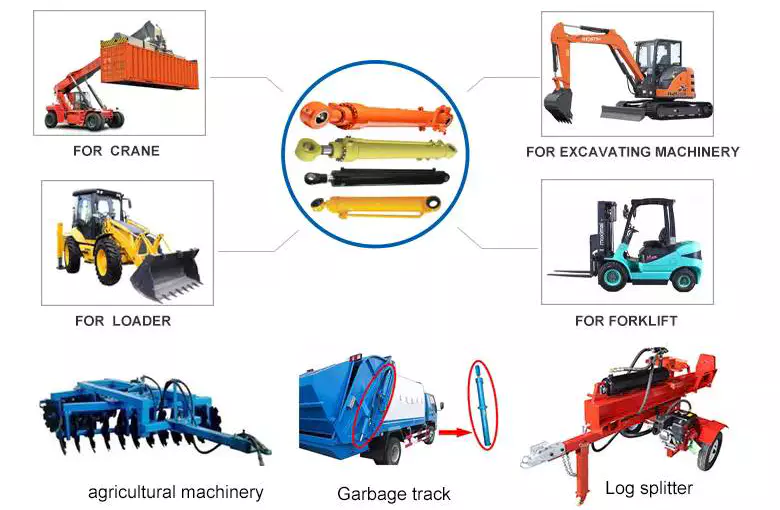
How does a hydraulic ram handle variations in environmental conditions?
A hydraulic ram is designed to handle variations in environmental conditions effectively. Here’s a detailed explanation:
1. Temperature: Hydraulic rams are designed to operate within a wide temperature range. The hydraulic fluids used in the system are formulated to maintain their viscosity and performance under different temperature conditions. Additionally, hydraulic systems may incorporate temperature control mechanisms, such as coolers or heaters, to regulate the fluid temperature and ensure optimal operation. This enables hydraulic rams to handle variations in temperature without significant impact on their performance.
2. Moisture and Humidity: Hydraulic rams are typically sealed to prevent moisture or humidity from entering the system. Seals and gaskets are used to create a barrier against external contaminants. Additionally, hydraulic systems may include desiccant breathers or moisture-absorbing elements to maintain dry and clean hydraulic fluid. These measures help protect the hydraulic ram from moisture-related issues such as corrosion or reduced lubrication, allowing it to operate reliably in humid environments.
3. Dust and Contaminants: Hydraulic rams are designed to withstand dust and contaminants commonly found in various environments. The use of air filters, hydraulic filters, and breathers helps prevent the ingress of particles into the hydraulic system. Regular maintenance, including filter replacement and system cleaning, ensures the hydraulic ram remains free from excessive contamination. By minimizing the impact of dust and contaminants, hydraulic rams can maintain their performance and longevity even in harsh or dirty environments.
4. Shock and Vibration: Hydraulic rams are built to handle shock and vibration that may occur during operation. Robust construction, including durable materials and proper mounting techniques, helps absorb and dissipate shocks and vibrations. Additionally, hydraulic systems may incorporate dampening elements or accumulators to further minimize the impact of sudden shocks or vibrations. These features enable hydraulic rams to maintain their stability and functionality even in applications subjected to high levels of vibration or shock.
5. Corrosion Resistance: Hydraulic rams are often designed with corrosion-resistant materials, such as stainless steel or corrosion-resistant coatings. This protects the ram from corrosion caused by exposure to moisture, chemicals, or corrosive environments. Proper maintenance, including regular inspection and cleaning, helps identify and address any signs of corrosion, ensuring the hydraulic ram’s performance and longevity.
6. Environmental Considerations: In certain applications or industries, hydraulic rams may need to comply with specific environmental regulations. For example, they may need to meet certain standards for noise emissions, leakage prevention, or biodegradable hydraulic fluids. Manufacturers take these considerations into account during the design and production of hydraulic rams to ensure compliance and minimize environmental impact.
By incorporating temperature tolerance, moisture and humidity protection, dust and contaminant prevention, shock and vibration absorption, corrosion resistance, and environmental considerations, hydraulic rams are well-equipped to handle variations in environmental conditions. These design features contribute to the reliability, durability, and performance of hydraulic rams in diverse operating environments.
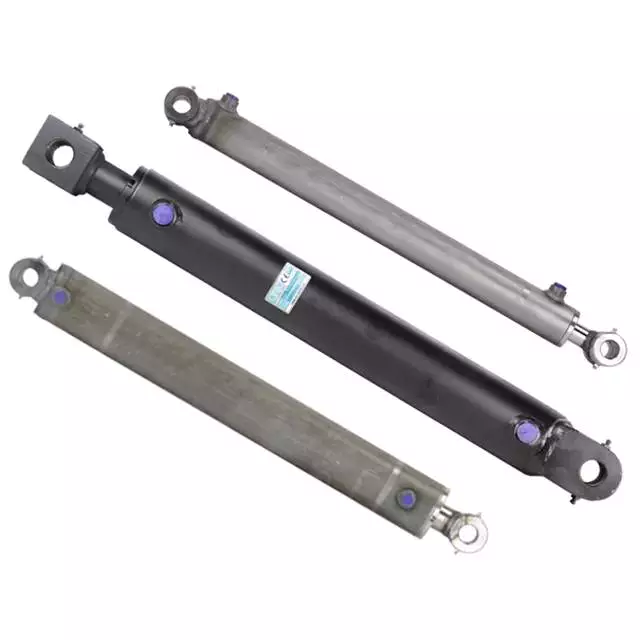
What is the importance of hydraulic fluid in a hydraulic ram?
Hydraulic fluid plays a critical role in the operation of a hydraulic ram. It serves several important functions that are essential for the ram’s performance and efficiency. Here’s a detailed explanation:
1. Transmitting Power: Hydraulic fluid is a medium that transfers power within the hydraulic ram. When water flows into the ram during the drive phase, it exerts pressure on the hydraulic fluid. This pressure is transmitted to other parts of the ram, such as the valve mechanism or the air vessel, enabling the conversion of hydraulic energy into mechanical work.
2. Lubrication: Hydraulic fluid acts as a lubricant for the moving parts of the hydraulic ram. It reduces friction between components, minimizing wear and tear and ensuring smooth operation. Proper lubrication helps extend the lifespan of the ram and improves its overall efficiency.
3. Heat Dissipation: During the operation of a hydraulic ram, heat is generated due to the conversion of hydraulic energy. Hydraulic fluid helps dissipate this heat, preventing overheating of the ram’s components. Effective heat dissipation maintains the ram’s performance and prevents damage caused by excessive temperatures.
4. Sealing and Contamination Control: Hydraulic fluid provides a sealing function within the ram. It fills the gaps and spaces between components, preventing leakage of water or air. Additionally, hydraulic fluid helps control contamination by forming a barrier that prevents external contaminants, such as dirt or debris, from entering the hydraulic system. This helps maintain the cleanliness and integrity of the ram.
5. Pressure Transmission: Hydraulic fluid is incompressible, allowing it to transmit pressure effectively within the ram. It enables the transfer of hydraulic energy from the water to the various components, ensuring the proper functioning of the ram.
6. Compatibility with Materials: Hydraulic fluid is selected based on its compatibility with the materials used in the hydraulic ram. It should not degrade or damage the ram’s components over time. Proper fluid selection ensures that the hydraulic ram operates reliably and remains in good condition.
Overall, hydraulic fluid is of utmost importance in a hydraulic ram. It transmits power, provides lubrication, dissipates heat, seals the system, controls contamination, transmits pressure, and ensures compatibility with the ram’s materials. These functions contribute to the smooth operation, efficiency, and longevity of the hydraulic ram.


editor by CX 2023-12-14