
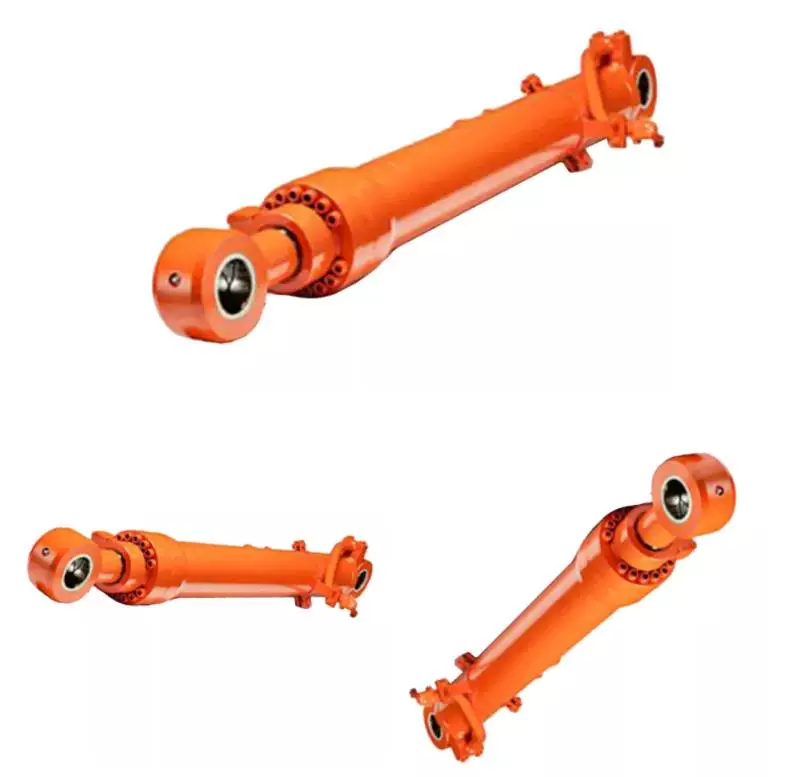
Product Description
| Part number | Tube dia mm | Rod dia mm | Stroke mm |
| 205-63-57100 | 120 | 85 | 1285 |
| 206-63-57100 | 120 | 85 | 1285 |
| 205-63-57160 | 120 | 85 | 1285 |
| 205-63-57120 | 135 | 95 | 1490 |
| 203-63-57130 | 125 | 85 | 1120 |
| 203-63-57131 | 125 | 85 | 1120 |
| 205-63-57130 | 125 | 85 | 1120 |
Specifications
1.Supply to USA,Europe,and Australia, Russia.
2.Material:Stainless Steel
3.Professional performance excavator parts supplier
4. High quality and low price
FAQ
Q1: Are you Manufacture or Trade Company?
A1: We are manufacture,we have 20 years experience for supply Metal material and products in domestic.
Q2: How can we guarantee quality?
A2: Always a pre-production sample before mass production;Always final Inspection before shipment;
Q3: What is your terms of payment ?
A3: 1.T/T: 30% deposit in advance, the balance 70% paid before shipment
2.30% down payment, the balance 70% paid against L/C at sight
3.CHINAMFG negotiation
Q4: Can you provide Certificates for aluminum materials ?
A4:Yes,we can supply MTC-Material Test Certificate.
Q5: Can you provide sample?
A5: Yes, we can provide you sample, but you need to pay for the sample and freight firstly. We will return the sample fee after
you make an order.
/* October 22, 2571 15:47:17 */(()=>{function d(e,r){var a,o={};try{e&&e.split(“,”).forEach(function(e,t){e&&(a=e.match(/(.*?):(.*)$/))&&1
How do hydraulic cylinders enhance the performance of construction and mining equipment?
Hydraulic cylinders play a vital role in enhancing the performance of construction and mining equipment by providing powerful and precise linear motion. These industries require heavy-duty machinery that can withstand demanding conditions and efficiently perform tasks such as lifting, pushing, and digging. Here’s a detailed explanation of how hydraulic cylinders enhance the performance of construction and mining equipment:
1. Power and Force:
– Hydraulic cylinders are capable of generating substantial force, allowing construction and mining equipment to handle heavy loads and perform challenging tasks. The hydraulic system applies pressure to the fluid, which is transmitted to the hydraulic cylinder, resulting in the movement of the piston rod. The larger the diameter of the cylinder, the greater the force that can be generated. Hydraulic cylinders enable the equipment to exert significant force, making it possible to lift and move heavy materials, excavate soil and rock, and perform other demanding operations.
2. Precise Control:
– Hydraulic cylinders offer precise control over the movement of construction and mining equipment. By regulating the flow of hydraulic fluid into and out of the cylinder through control valves, operators can precisely control the speed, position, and force exerted by the hydraulic cylinder. This level of control allows for accurate and controlled movements, enabling operators to perform tasks with precision and efficiency. Whether it’s lifting a specific load, positioning an attachment, or maneuvering in tight spaces, hydraulic cylinders provide the necessary control for optimal equipment performance.
3. Adaptability:
– Hydraulic cylinders are highly adaptable to various construction and mining equipment. They can be designed and manufactured in different sizes, stroke lengths, and configurations to suit specific requirements. Hydraulic cylinders can be integrated into different types of equipment, such as excavators, loaders, bulldozers, and drilling rigs. Their adaptability allows for the customization of equipment to meet the needs of different applications and operating conditions, enhancing overall performance.
4. Durability and Reliability:
– Construction and mining environments are known for their harsh conditions, including extreme temperatures, vibrations, and exposure to dust, dirt, and debris. Hydraulic cylinders are designed to withstand these challenging conditions and provide long-lasting performance. They are constructed using robust materials, such as high-strength steel, and equipped with seals and components that can endure heavy loads, impacts, and contaminants. The durability and reliability of hydraulic cylinders ensure that construction and mining equipment can operate continuously and withstand the demanding nature of these industries.
5. Safety:
– Hydraulic cylinders contribute to the safety of construction and mining equipment operations. Their precise control allows operators to perform tasks with accuracy, minimizing the risk of accidents and damage to the equipment or surrounding structures. Hydraulic cylinders also enable the implementation of safety features, such as overload protection systems and emergency stop mechanisms, ensuring the safe operation of the equipment. The reliable and controlled movements provided by hydraulic cylinders enhance overall safety in construction and mining operations.
6. Increased Productivity:
– By providing the necessary power, precise control, and adaptability, hydraulic cylinders contribute to increased productivity in construction and mining applications. Construction and mining equipment equipped with hydraulic cylinders can perform tasks more efficiently and effectively, reducing the time and effort required to complete projects. The ability to handle heavy loads, control movements precisely, and adapt to various tasks improves the overall productivity of the equipment, leading to cost savings and improved project timelines.
In summary, hydraulic cylinders enhance the performance of construction and mining equipment by providing power, precise control, adaptability, durability, and safety. They enable these machines to handle heavy loads, perform tasks with accuracy, withstand harsh conditions, and increase productivity. Hydraulic cylinders are integral components that contribute to the efficiency and effectiveness of construction and mining operations.
Handling the Challenges of Minimizing Fluid Leaks and Contamination in Hydraulic Cylinders
Hydraulic cylinders face challenges when it comes to minimizing fluid leaks and contamination, as these issues can impact the performance, reliability, and lifespan of the system. However, there are several measures and design considerations that help address these challenges effectively. Let’s explore how hydraulic cylinders handle the challenges of minimizing fluid leaks and contamination:
- Sealing Systems: Hydraulic cylinders employ advanced sealing systems to prevent fluid leaks. These systems typically include various types of seals, such as piston seals, rod seals, and wiper seals. The seals are designed to create a tight and reliable barrier between the moving components of the cylinder and the external environment, minimizing the risk of fluid leakage.
- Seal Material Selection: The choice of seal materials is crucial in minimizing fluid leaks and contamination. Hydraulic cylinder manufacturers carefully select seal materials that are compatible with the hydraulic fluid used and resistant to wear, abrasion, and chemical degradation. This ensures the longevity and effectiveness of the seals, reducing the likelihood of leaks or premature seal failure.
- Proper Installation and Maintenance: Ensuring proper installation and regular maintenance of hydraulic cylinders is essential for minimizing fluid leaks and contamination. During installation, attention should be given to proper alignment, torqueing of bolts, and adherence to recommended procedures. Regular maintenance includes inspecting seals, replacing worn-out components, and addressing any signs of leakage promptly. Proper maintenance practices help identify and rectify issues before they escalate and cause significant problems.
- Contamination Control: Hydraulic cylinders incorporate measures to control contamination and maintain fluid cleanliness. This includes the use of filtration systems, such as in-line filters, to remove particles and contaminants from the hydraulic fluid. Additionally, hydraulic reservoirs often have breathers and desiccant filters to prevent moisture and airborne contaminants from entering the system. By controlling contamination, hydraulic cylinders minimize the risk of damage to internal components and maintain optimal system performance.
- Environmental Protection: Hydraulic cylinders may be equipped with protective features to safeguard against external contaminants. For example, bellows or protective boots can be installed to shield the rod and seals from debris, dirt, or moisture present in the operating environment. These protective measures help extend the life of the seals and enhance the overall reliability of the hydraulic cylinder.
In summary, hydraulic cylinders employ sealing systems, appropriate seal materials, proper installation and maintenance practices, contamination control measures, and environmental protection features to handle the challenges of minimizing fluid leaks and contamination. By implementing these measures, manufacturers can ensure reliable and long-lasting hydraulic cylinder performance, minimize the risk of fluid leakage, and maintain the cleanliness of the hydraulic system.
What safety precautions should be followed when working with hydraulic cylinders?
Working with hydraulic cylinders requires strict adherence to safety precautions to prevent accidents, injuries, and damage to equipment or property. Hydraulic systems operate under high pressures and involve moving parts, which can pose serious hazards if not handled properly. Here’s a detailed explanation of the safety precautions that should be followed when working with hydraulic cylinders:
1. Training and Knowledge:
– Ensure that personnel working with hydraulic cylinders have received adequate training and possess a thorough understanding of hydraulic system operation, maintenance, and safety protocols. Proper training should cover topics such as hydraulic principles, pressure ratings, safe work practices, and emergency procedures. Only trained and authorized personnel should be allowed to handle hydraulic cylinders.
2. Wear Personal Protective Equipment (PPE):
– Always wear appropriate personal protective equipment when working with hydraulic cylinders. This may include safety glasses, gloves, protective clothing, and steel-toed boots. PPE helps protect against potential hazards, such as hydraulic fluid leaks, flying debris, or accidental contact with moving parts.
3. Hydraulic System Inspection:
– Before working with hydraulic cylinders, inspect the entire hydraulic system for any signs of damage, leaks, or loose connections. Check hydraulic hoses, fittings, valves, and cylinders for integrity and secure fastening. If any issues are detected, the system should be repaired or serviced before operation.
4. Relieve Pressure:
– Before performing any maintenance or disassembly on a hydraulic cylinder, it is crucial to relieve the pressure in the system. Follow the manufacturer’s instructions to properly release pressure and ensure that the hydraulic cylinder is depressurized before starting any work. Failure to do so can result in sudden and uncontrolled movement of the cylinder or hydraulic lines, leading to serious injuries.
5. Lockout/Tagout Procedures:
– Implement lockout/tagout procedures to prevent accidental energization of the hydraulic system while maintenance or repair work is being conducted. Lockout/tagout involves isolating the energy source, such as shutting off the hydraulic pump and locking or tagging the controls to prevent unauthorized operation. This procedure ensures that the hydraulic cylinder remains in a safe, non-operational state during maintenance activities.
6. Use Proper Lifting Techniques:
– When working with heavy hydraulic cylinders or components, use proper lifting techniques and equipment to avoid strain or injury. Hydraulic cylinders can be heavy and awkward to handle, so ensure that lifting equipment, such as cranes or hoists, is properly rated and used correctly. Follow safe lifting practices, including securing the load and maintaining a stable lifting posture.
7. Hydraulic Fluid Handling:
– Handle hydraulic fluid with care and follow proper procedures for fluid filling, transfer, and disposal. Avoid contact with the skin or eyes, as hydraulic fluid may be hazardous. Use appropriate containers and equipment to prevent spills or leaks. If any hydraulic fluid comes into contact with the skin or eyes, rinse thoroughly with water and seek medical attention if necessary.
8. Regular Maintenance:
– Perform regular maintenance and inspections on hydraulic cylinders to ensure their safe and reliable operation. This includes checking for leaks, inspecting seals, monitoring fluid levels, and conducting periodic servicing as recommended by the manufacturer. Proper maintenance helps prevent unexpected failures and ensures the continued safe use of hydraulic cylinders.
9. Follow Manufacturer Guidelines:
– Always follow the manufacturer’s guidelines, instructions, and recommendations for the specific hydraulic cylinders and equipment being used. Manufacturers provide important safety information, maintenance schedules, and operational guidelines that should be strictly adhered to for safe and optimal performance.
10. Emergency Preparedness:
– Be prepared for potential emergencies by having appropriate safety equipment, such as fire extinguishers, first aid kits, and emergency eyewash stations, readily available. Establish clear communication channels and emergency response procedures to promptly address any accidents, leaks, or injuries that may occur during hydraulic cylinder operations.
By following these safety precautions, individuals working with hydraulic cylinders can minimize the risk of accidents, injuries, and property damage. It is essential to prioritize safety, maintain awareness of potential hazards, and ensure compliance with relevant safety regulations and industry standards.


editor by Dream 2024-11-28