
Product Description
Specifications:
| Product Name | HSG Series Hydraulic Cylinder |
| Work Press | 7/14/16/21/31.5MPa 37.5/63MPa Can be Customized |
| Material | Aluminum, Cast Iron,45mnb Steel, Stainless Steel |
| Bore Size | 40mm–320mm, Customizable |
| Shaft Diameter | 20mm–220mm, Customizable |
| Stroke Length | 30mm–14100mm, Customizable |
| Rod Surface Hardness | HRC48-54 |
| Operating Temperature | -40°C to +120 °C |
| Paint Color | Black, Yellow, Blue, Brown, Customizable |
| Service | OEM&ODM |
| Warranty | 1 Year |
| MOQ | 1 Piece |
| Delivery Time | 7-15 Days, Also depending on specific demands |
| Certification | ISO9001,CE |
| Capacity | 50,000Pcs per year |
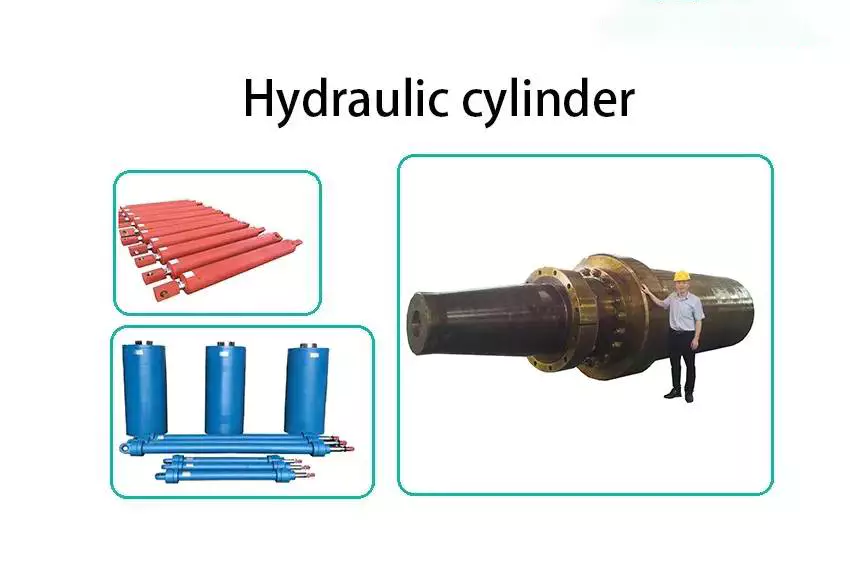
Product Display:
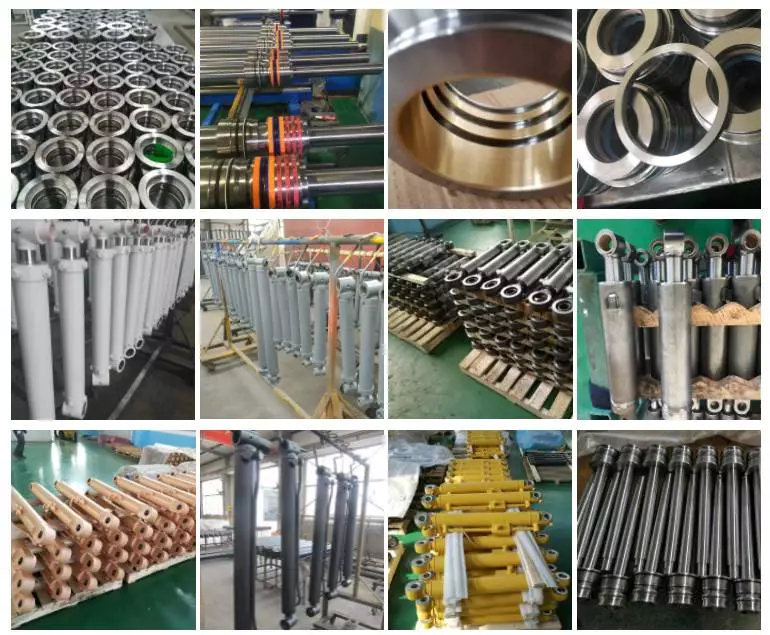
Mounting:
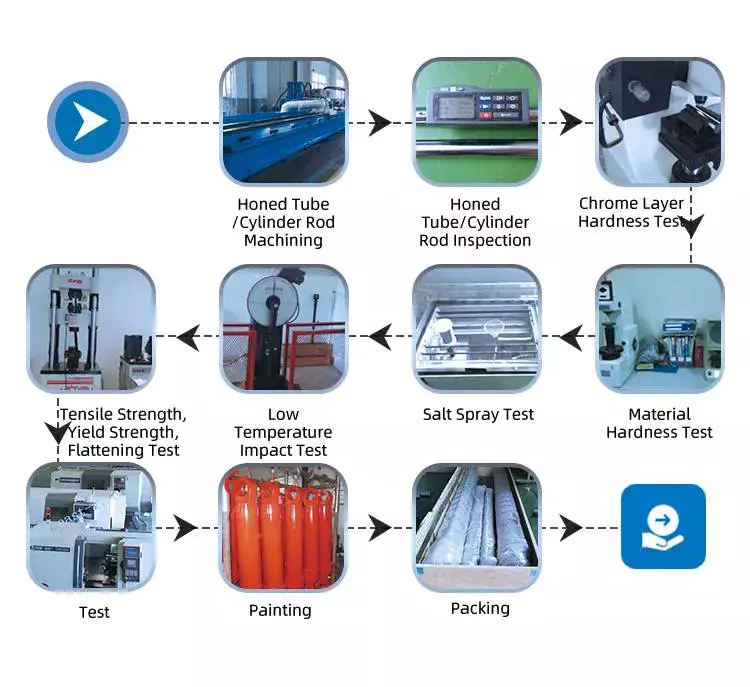
Working Flow: About Us
Tongte designs and manufactures durable, heavy-duty hydraulic products and accessories and offers lifecycle services to them. We constantly develop our machine base and operations to meet customer-specific needs and remain leaders in the industry. Beyond all else, we want to be the trusted, groundbreaking partner our customers truly need.
In addition to the customized cylinders, CHINAMFG offers hydraulic power units, Electric-Hydraulic linear actuators, piston accumulators, system configurations, and versatile services such as repair and manufacturing services. The modern production facilities are located in HangZhou, ZheJiang (China) where production started in 2001. The core values of Tongke guiding its business strongly are commitment, sustainability, interaction, and customer-first.
We possess over 20 years of experience in the industry and extensive global market experience, our customers are located all over the world, and we truly commit to the customers’ needs – these are the success factors of our family-owned company. Our vision is to grow and expand the business further into global markets.
FAQ:
Q1: What does your company do?
A: we are a supplier of high-quality hydraulic products including Hydraulic Cylinders, Hydraulic Power packs, Hydraulic Linear, and other Hydraulic components.
Q2:Are you a manufacturer or trading company?
A: We are a manufacturer.
Q3:Are you able to make Non-standard or customized products?
A: Yes, we can.
Q3: How long is your delivery time?
A: Normally, the delivery time is 7 days if we have stock, and 15-30 working days if we don’t. but it
also depends on the product
requirements and quantity.
Q4: Do you provide samples? are the samples free or not?
A: Yes, we can provide samples, but they are not free of charge.
Q5: What are your payment terms?
A: 30% deposit T/T or Irrevocable L/C at sight, If you have any questions, please feel free to
contact us.
Q6: What is your warranty policy?
A: All our products are warranted for 1 full year from the date of delivery against defects in materials and workmanship. Each individual product will be strictly inspected on our factory QC Process
System before shipment. We also have a Customer Service team to respond to customers’ questions within 12 hours.
| Certification: | ISO9001 |
|---|---|
| Pressure: | High Pressure |
| Work Temperature: | Normal Temperature |
| Acting Way: | Double Acting |
| Working Method: | Straight Trip |
| Adjusted Form: | Regulated Type |
| Customization: |
Available
|
|
|---|
Can hydraulic rams be repaired or maintained when needed?
Yes, hydraulic rams can be repaired and maintained when needed. Here’s a detailed explanation:
1. Repair: If a hydraulic ram is damaged or not functioning correctly, it can be repaired. The specific repair process will depend on the nature and extent of the damage. Common repairs may involve replacing worn-out seals, repairing or replacing damaged cylinders or pistons, fixing leaks, or addressing issues with the hydraulic fluid system. It is important to follow the manufacturer’s guidelines and consult with hydraulic repair professionals to ensure proper repair procedures are followed.
2. Maintenance: Regular maintenance is crucial to keep hydraulic rams in optimal working condition. Maintenance tasks may include inspecting the ram for signs of wear or damage, checking and replacing seals as necessary, cleaning or replacing filters, monitoring fluid levels and quality, and lubricating moving parts. Following a maintenance schedule and adhering to manufacturer recommendations helps prevent potential failures and ensures the longevity and reliable operation of the hydraulic ram.
3. Troubleshooting: When issues arise with a hydraulic ram, troubleshooting techniques can be employed to identify the root cause of the problem. This may involve checking for leaks, examining hydraulic fluid pressure and flow, inspecting electrical or mechanical components, or using diagnostic tools. Troubleshooting helps pinpoint the specific issue and facilitates effective repairs or maintenance.
4. Professional Assistance: In some cases, repairing or maintaining a hydraulic ram may require the expertise of hydraulic technicians or professionals. They have the knowledge, skills, and specialized tools to diagnose and address complex issues. When dealing with intricate hydraulic systems or if the repair or maintenance task is beyond your capabilities, it is advisable to seek professional assistance to ensure the proper and safe handling of the hydraulic ram.
5. Documentation: It is important to maintain proper documentation of repairs and maintenance performed on hydraulic rams. This includes recording the date of service, details of the performed tasks, replacement parts used, and any observations or recommendations. Documentation helps track the history of the hydraulic ram, assists in future maintenance planning, and provides valuable information for troubleshooting purposes.
By conducting necessary repairs, adhering to a regular maintenance schedule, employing troubleshooting techniques, seeking professional assistance when required, and maintaining detailed documentation, hydraulic rams can be effectively repaired and maintained. This ensures their continued functionality, reliability, and longevity.
Can hydraulic rams be employed in material handling equipment for pushing or lifting?
Yes, hydraulic rams are commonly employed in material handling equipment for pushing or lifting operations. Here’s a detailed explanation:
1. Pushing Operations: Material handling equipment, such as forklifts, pallet jacks, or skid steer loaders, often require the ability to push heavy loads. Hydraulic rams are utilized in these machines to provide the necessary pushing force. The hydraulic ram is connected to the machine’s hydraulic system and applies force to a pushing mechanism, such as forks or blades, allowing the equipment to move and push materials efficiently. The force generated by the hydraulic ram enables smooth and controlled pushing operations, enhancing productivity in material handling tasks.
2. Lifting Operations: Hydraulic rams are extensively employed in material handling equipment for lifting heavy loads. Equipment such as cranes, scissor lifts, or hydraulic elevators utilize hydraulic rams as lifting mechanisms. The hydraulic ram, typically in the form of a hydraulic cylinder, is connected to the equipment’s hydraulic system and exerts force to raise or lower the load. By extending or retracting the hydraulic ram, the equipment can lift or lower materials with precision. The hydraulic system provides the necessary power and control for safe and efficient lifting operations.
3. Load Capacity and Control: Hydraulic rams are designed to handle a wide range of load capacities in material handling equipment. The size and specifications of the hydraulic ram are determined based on the required lifting or pushing force. By selecting the appropriate hydraulic ram, material handling equipment can effectively handle various loads, from light to extremely heavy. Additionally, hydraulic systems offer precise control over the movement of the hydraulic ram, allowing operators to lift or push materials with accuracy and control, minimizing the risk of damage or accidents.
4. Safety Features: Material handling equipment employing hydraulic rams often incorporate safety features to ensure safe operation. These features may include overload protection, safety valves, or locking mechanisms to prevent accidental movement or collapse of the hydraulic ram. Safety measures contribute to the safe and reliable use of hydraulic rams in material handling equipment, protecting both operators and the materials being handled.
5. Versatility and Adaptability: Hydraulic rams offer versatility and adaptability in material handling equipment. They can be integrated into various types of equipment, including mobile or stationary machines, and are suitable for different environments and industries. Hydraulic rams can be customized to meet specific requirements, such as stroke length, speed, or load capacity, ensuring optimal performance in material handling applications.
In summary, hydraulic rams are commonly employed in material handling equipment for pushing or lifting operations. They provide the necessary force, load capacity, and control to efficiently handle materials. With their safety features, versatility, and adaptability, hydraulic rams play a crucial role in enhancing productivity and safety in material handling processes.
How is a hydraulic ram different from other hydraulic devices?
A hydraulic ram differs from other hydraulic devices in several key aspects. Here’s a detailed explanation:
1. Working Principle: The hydraulic ram operates based on the principle of water hammer effect and utilizes the kinetic energy of flowing water to pump a portion of that water to a higher elevation. In contrast, other hydraulic devices, such as hydraulic cylinders or hydraulic motors, typically rely on pressurized fluid, usually oil or hydraulic fluid, to generate mechanical force or rotational motion.
2. Energy Source: The hydraulic ram harnesses the energy of flowing water, which is often a renewable and readily available energy source. It does not require external power sources, such as electricity or fossil fuels, to operate. On the other hand, other hydraulic devices typically rely on external power, such as electric motors or engines, to drive the hydraulic fluid and generate hydraulic force or motion.
3. Application: The primary application of a hydraulic ram is to pump water from a lower elevation to a higher elevation, typically for irrigation, water supply, or other similar purposes. It is commonly used in areas with a natural flow of water. In contrast, other hydraulic devices have a wide range of applications across various industries, including construction, manufacturing, automotive, and aerospace. Hydraulic cylinders are commonly used for linear actuation and force generation, while hydraulic motors are used for rotating machinery and motion control.
4. Control and Adjustability: Hydraulic rams have limited control and adjustability compared to other hydraulic devices. The operation of a hydraulic ram is primarily dependent on the water flow and pressure fluctuations. While adjustments can be made to the valve opening or air vessel size, the control over the hydraulic ram’s performance is relatively limited. In contrast, other hydraulic devices offer greater control and adjustability through the use of control valves, flow regulators, pressure sensors, and other components. This allows for precise control of force, speed, and direction in hydraulic systems.
5. Complexity and Components: Hydraulic rams are relatively simple in design and have fewer components compared to other hydraulic devices. They typically consist of a drive pipe, delivery pipe, valve, and air vessel. Other hydraulic devices, such as hydraulic cylinders or hydraulic motors, often have more complex designs with additional components, such as pistons, seals, control valves, and hydraulic lines. The complexity of these devices allows for a wider range of functionalities and precise control but also requires more intricate maintenance and system design.
6. Efficiency: Hydraulic rams are known for their efficiency in converting the energy of flowing water into mechanical work. They can achieve high efficiency levels, especially when properly designed and installed. Other hydraulic devices can also be highly efficient, but their efficiency can be influenced by factors such as fluid leaks, friction losses, and mechanical inefficiencies in the system.
Overall, the hydraulic ram stands out as a specialized hydraulic device that utilizes the energy of flowing water for pumping applications. While it may have limitations in terms of control and adjustability compared to other hydraulic devices, its unique working principle and reliance on renewable energy make it a suitable choice in specific situations where a natural water source is available.


editor by CX 2023-12-07