
Product Description
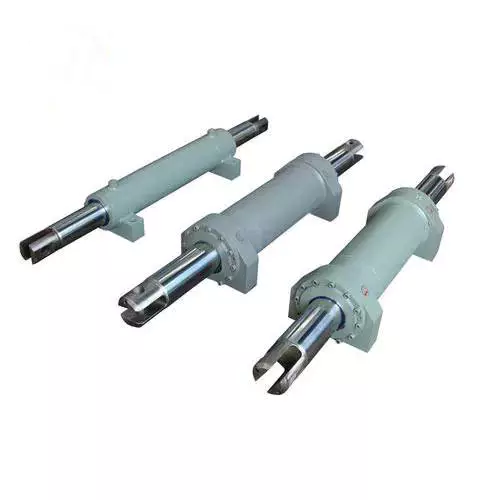
Hydraulic cylinder oil tank and tipping ram
Product Description
Fee Telescopic Hydraulic Cylinder Used for Lifting Dump Trucks
Type: YBL
Rated Pressure: 16MPa
Cylinder selection guide
Detailed Photos
OUR FACTORY
Company Profile
• HangZhou Yibolan Machinery & Equipment Co., Ltd located in the beautiful coastal city of HangZhou, China, was established in January 2571. As a foreign trade company dedicated to providing high-quality machinery and equipment, we are committed to becoming the preferred partner for customers worldwide.
Main products include: metal products for the CHINAMFG industry, various special vehicles and spare parts, etc.
• We have our own metal processing factory, covering an area of 10,000 square meters. Our team includes designers, engineers, production staff, welders, machine operators, and quality inspectors, providing full-process custom metal fabrication services to customers worldwide.The products we supply are not only aesthetically pleasing but also highly durable and safe. As a leading supplier of metal products for the CHINAMFG industry, we focus on common species and consider the feeding, breeding, and living habits of livestock. With a research and development focus on items such as gates, panels, feeders, and incubators, we have customized a wide range of high-quality related products.(Cattle Free Stall,Stainless steel piglet plate,Hot Galvanization Hoof Trimming Chute for Sheep,Horse Corral Panels…)
• In addition, the company directly collaborates with major host manufacturers to ensure product quality and professional technical support, guaranteeing peace of mind for customers during subsequent use. Long-term cooperative manufacturers include CHINAMFG (China National Heavy Duty Truck Group), SHACMAN, Shantui, SEM, and CHINAMFG forklifts, among others.
• Since our establishment, we have successfully built long-term relationships with clients in the South Pacific region, Africa, America, and parts of Southeast Asia. To date, the total contract value of independent export business and cooperative projects has reached $10 million.
• Our core values center around putting the client’s needs first, by providing accurate services and support to establish strong business relationships and achieve sustainable development together. We believe that through continuous efforts and innovation, we can create greater value for our clients.
Our Advantages
• Using high-quality, -strength alloy steel pipes, the anti-expansibility is increased by 15% compared to similar cylinders; adopting “double channel” imported seals, high reliability; lengthening guide, bending resistance increased by 15%; static test+dynamic bench test, undergone 50000 load tests without any faults.
• The mechanism layout is optimized, ensuring balanced force distribution among the tripod, pull rod, and hydraulic cylinder, thereby enhancing lifting capacity. At the same time, the closed height is reduced to 465mm, whereas competing mechanisms typically have a closed height of 480-490mm. This design can reduce weight by approximately 20 to 35 Kg.
• Long guide,improve the bending resistance of the cylinder,and better adapt to the side deviation of the carriage.
• The key parts are forged,the overall performance is better,and the reliability of the hydraulic cylinder is improved.
• The base shaft is thickened,which has greater carrying capacity and higher safety.
FAQ
1.Why should be partner with HangZhou YBL ?
• Quality
Deliver consistently superior performance and pursue every possible improvement.
• Agility
Identify emerging trends and act quickly to acquire new opportunities.
• Customer Satisfaction
Anticipate customer needs and exceed their expectations.
2. what services can we provide?
Accepted Delivery Terms: FOB,CFR,CIF,EXW,FAS,CIP,FCA,CPT,DEQ,DDP,DDU,Express Delivery,DAF,DES;
Accepted Payment Currency:USD,EUR,CNY;
Accepted Payment Type: T/T,L/C,D/P D/A,Western Union;
Language Spoken:English,Chinese
3.How about the delivery time ?
depends the quantity, normally 1 month is no problem.
Welcome to Join us!
Please Feel Free to Contact us at Your Convenience.
/* May 10, 2571 16:49:51 */!function(){function d(e,r){var a,o={};try{e&&e.split(“,”).forEach(function(e,t){e&&(a=e.match(/(.*?):(.*)$/))&&1
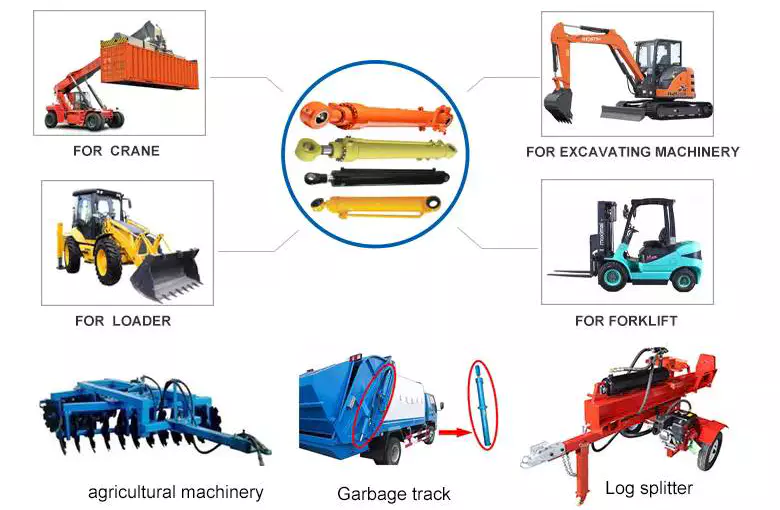
How does a hydraulic ram contribute to efficient and powerful force generation?
A hydraulic ram utilizes specific design principles and mechanisms to generate efficient and powerful forces. Here’s a detailed explanation:
1. Water Hammer Effect: The hydraulic ram harnesses the water hammer effect to generate powerful forces. When water flows into the ram during the drive phase, it gains velocity and momentum. As the water reaches a certain pressure threshold, the valve mechanism rapidly closes, creating a water hammer effect. This sudden closure of the valve generates a high-pressure pulse that propels a portion of the water to a higher elevation, producing a powerful force.
2. Momentum Transfer: The hydraulic ram efficiently transfers the momentum of flowing water to generate force. The momentum of the moving water is converted into mechanical work as the water hammer effect occurs. By utilizing the kinetic energy of the water, the hydraulic ram maximizes the efficiency of force generation.
3. Energy Recovery: One of the key features of a hydraulic ram is its ability to recover and reuse energy. As the water hammer effect occurs and the high-pressure pulse lifts a portion of the water, the remaining water in the ram’s drive pipe decelerates. This deceleration allows the kinetic energy of the water to be converted back into potential energy, which can be used to pump a new cycle of water. This energy recovery mechanism enhances the overall efficiency of the hydraulic ram.
4. Mechanical Advantage: A hydraulic ram incorporates mechanical advantage through its design. The valve mechanism and other components are optimized to multiply the force generated by the water hammer effect. By leveraging mechanical advantage, the hydraulic ram can produce a more powerful force output compared to the input force from the flowing water.
5. Self-Sustaining Operation: A hydraulic ram operates in a self-sustaining manner, requiring minimal external power sources. Once the ram is set up and primed with water, it can continue to operate using the energy of flowing water. This self-sustainability contributes to the efficiency of force generation, as it eliminates the need for continuous external energy input.
6. Simple and Robust Design: The design of a hydraulic ram is relatively simple and robust, enabling efficient force generation. The absence of complex components reduces friction and energy losses. Additionally, the robust design ensures durability and long-term reliability, making hydraulic rams suitable for various applications.
Through the water hammer effect, momentum transfer, energy recovery, mechanical advantage, self-sustaining operation, and a simple yet robust design, a hydraulic ram maximizes the efficiency and power of force generation. These features make hydraulic rams an effective and reliable choice for pumping water and harnessing hydraulic power.
How does a hydraulic ram handle variations in environmental conditions?
A hydraulic ram is designed to handle variations in environmental conditions effectively. Here’s a detailed explanation:
1. Temperature: Hydraulic rams are designed to operate within a wide temperature range. The hydraulic fluids used in the system are formulated to maintain their viscosity and performance under different temperature conditions. Additionally, hydraulic systems may incorporate temperature control mechanisms, such as coolers or heaters, to regulate the fluid temperature and ensure optimal operation. This enables hydraulic rams to handle variations in temperature without significant impact on their performance.
2. Moisture and Humidity: Hydraulic rams are typically sealed to prevent moisture or humidity from entering the system. Seals and gaskets are used to create a barrier against external contaminants. Additionally, hydraulic systems may include desiccant breathers or moisture-absorbing elements to maintain dry and clean hydraulic fluid. These measures help protect the hydraulic ram from moisture-related issues such as corrosion or reduced lubrication, allowing it to operate reliably in humid environments.
3. Dust and Contaminants: Hydraulic rams are designed to withstand dust and contaminants commonly found in various environments. The use of air filters, hydraulic filters, and breathers helps prevent the ingress of particles into the hydraulic system. Regular maintenance, including filter replacement and system cleaning, ensures the hydraulic ram remains free from excessive contamination. By minimizing the impact of dust and contaminants, hydraulic rams can maintain their performance and longevity even in harsh or dirty environments.
4. Shock and Vibration: Hydraulic rams are built to handle shock and vibration that may occur during operation. Robust construction, including durable materials and proper mounting techniques, helps absorb and dissipate shocks and vibrations. Additionally, hydraulic systems may incorporate dampening elements or accumulators to further minimize the impact of sudden shocks or vibrations. These features enable hydraulic rams to maintain their stability and functionality even in applications subjected to high levels of vibration or shock.
5. Corrosion Resistance: Hydraulic rams are often designed with corrosion-resistant materials, such as stainless steel or corrosion-resistant coatings. This protects the ram from corrosion caused by exposure to moisture, chemicals, or corrosive environments. Proper maintenance, including regular inspection and cleaning, helps identify and address any signs of corrosion, ensuring the hydraulic ram’s performance and longevity.
6. Environmental Considerations: In certain applications or industries, hydraulic rams may need to comply with specific environmental regulations. For example, they may need to meet certain standards for noise emissions, leakage prevention, or biodegradable hydraulic fluids. Manufacturers take these considerations into account during the design and production of hydraulic rams to ensure compliance and minimize environmental impact.
By incorporating temperature tolerance, moisture and humidity protection, dust and contaminant prevention, shock and vibration absorption, corrosion resistance, and environmental considerations, hydraulic rams are well-equipped to handle variations in environmental conditions. These design features contribute to the reliability, durability, and performance of hydraulic rams in diverse operating environments.
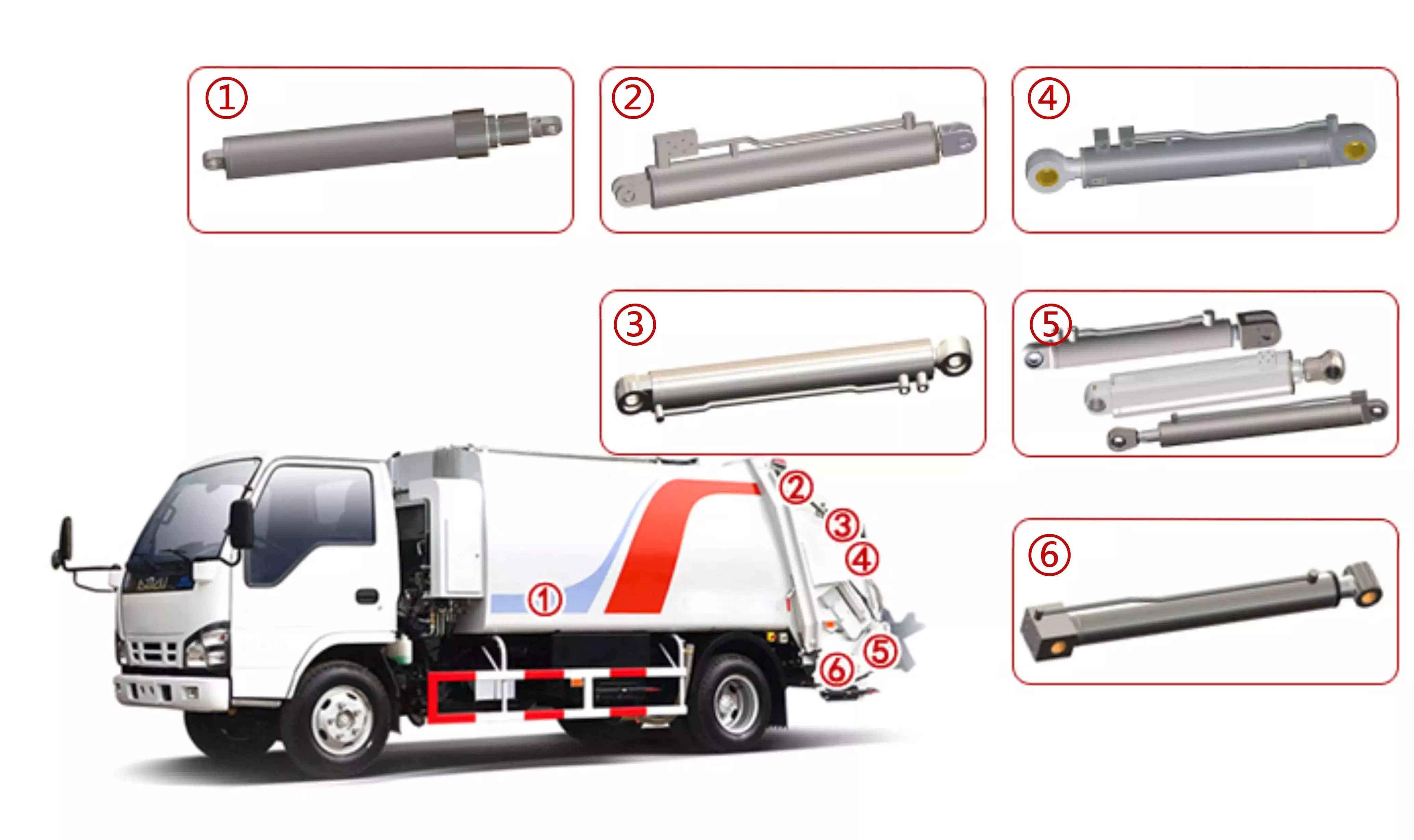
What is a hydraulic ram and how does it work?
A hydraulic ram is a type of water pump that utilizes the energy of flowing water to lift a portion of that water to a higher elevation. Here’s a detailed explanation of its working principle:
A hydraulic ram consists of several key components:
- Drive Pipe: The drive pipe is connected to a water source, such as a stream or a river. It carries the flowing water that provides the energy for the hydraulic ram.
- Delivery Pipe: The delivery pipe carries the water from the hydraulic ram to the desired destination at a higher elevation.
- Valve: The valve controls the flow of water within the hydraulic ram.
- Air Vessel: The air vessel acts as an accumulator and helps maintain a constant flow of water.
The working principle of a hydraulic ram can be summarized in the following steps:
1. Water Flow: The hydraulic ram is installed in a location where there is a natural flow of water. As water flows through the drive pipe, it enters the hydraulic ram.
2. Water Hammer Effect: The flowing water gains momentum and velocity as it enters the hydraulic ram. When the water flow is abruptly stopped by the valve, the kinetic energy of the moving water is converted into pressure energy, creating a water hammer effect.
3. Valve Operation: The sudden increase in pressure due to the water hammer effect forces the valve to close, preventing the backward flow of water. This closure allows the pressure to build up in the hydraulic ram.
4. Air Vessel Operation: As the pressure builds up, it compresses the air in the air vessel. The compressed air acts as a cushion, absorbing the pressure fluctuations and maintaining a constant flow of water.
5. Delivery Phase: Once the pressure reaches a certain threshold and the valve closes, the compressed air in the air vessel pushes the water through the delivery pipe, lifting a portion of the water to a higher elevation.
6. Valve Reopening: As the water is pushed out through the delivery pipe, the pressure in the hydraulic ram decreases. This causes the valve to reopen, allowing the cycle to repeat.
7. Continuous Operation: The hydraulic ram operates continuously as long as there is a steady flow of water in the drive pipe. It uses the energy of the flowing water to lift a smaller portion of that water to a higher elevation, without the need for external power sources.
Hydraulic rams are commonly used in areas with a reliable water source and a need for pumping water to a higher elevation. They are particularly useful in remote locations or off-grid settings, where conventional power sources may not be readily available.


editor by Dream 2024-11-07