
Product Description
Product Description
Company Profile
IATF16949 and ISO 9001 certified precision CNC machining service company, started in 2006, Infinity provides customers with more than 1 million sensor components every year, such as the hydraulic cylinder, sensor housing, processing connectors, adapters, mounting rods, and mounting plates for flow sensors, pressure sensors, and temperature sensors. Product materials include stainless steel, copper alloy, aluminum alloy, and special alloys. The complex, precise, reliable, and safe manufacturing process ensures the high-quality requirements of customers’ products.
With over 3000m2 production workshop, Infinity company provides whole processing from material cutting to inspection & packing and shipment service.
Workshop Overview
| Equipment List | |||||
| Name | No. of set | Model/Spec. | Origin | ||
| Infinity Precision Machining main Equipment | CNC Vertical Machining Center |
2 | VJ850,850X500X520/4-Axis | ZheJiang | |
| CNC Vertical Machining Center |
2 | Dooson DNM515,1571*540*510 | China | ||
| CNC Vertical Machining Center |
1 | MAZAK VCN530CL | China | ||
| Horizontal CNC Lathe | 8 | OKUMA L250-E | ZheJiang | ||
| Horizontal CNC Lathe | 1 | OKUMA L300-M/2.5-Axis | ZheJiang | ||
| Horizontal CNC Lathe | 1 | OKUMA L400-E | ZheJiang | ||
| Horizontal CNC Lathe | 3 | OKUMA L200EMY | ZheJiang | ||
| Ultrasonic Cleaning machine | 2 | KC-6000W | China | ||
| Automatic Metal Band Sawing machine |
4 | GHS4232 | China | ||
| Flat Grinder | 1 | M7132B | China | ||
| Wire Cutter | 1 | DK7740 | China | ||
| Pipe bending machine | 2 | China | |||
| Shape mill | 1 | China | |||
| Vibration Burnisher | 1 | N/A | China | ||
| Co2 gas-shielded welding | 4 | FN250 | China | ||
| Swiss-type CNC machine | 1 | CSBII 250 | ZheJiang | ||
| Drilling and tapping machine | 4 | ZS4116 | China | ||
Quality Control Process
Infinity Industries, Inc. provides customers with complete inspection services, from first article inspection, to process random inspection, and final inspection, all of which are implemented in strict accordance with the customer’s drawings.
| Name | No. of set | Model/Spec. | Origin | ||
| Inspection Instrument | 3D-Measuring System | 1 | Hexagon,06.08.06 | Switzerland | |
| Projector | 1 | 3D Family VME-300 | ZheJiang | ||
| Contour graph | 1 | Mitutoyo contracer CV-2100 | Japan | ||
| Surface rough meter | 1 | TR210 | China | ||
| Angle Measurement Instrument | 3 | 0~360° | China | ||
| Pin Gage | variety | φ25+/-0.05/φ25.3+/-0.05/φ35+/-0.05 | China | ||
| R-gage | 2 | R1~R6.5mm | China | ||
| Inside Micrometer | 5 | 0-30mm | China | ||
| Outside Micrometer | 5 | 25~50mm | China | ||
| Digital Height Guage | 20 | 0~300mm | China | ||
| Digital Inside Groove Capliers | 5 | 0~150mm | China | ||
| Digital Vernier Calipers | variety | 0~200mm/0~300mm | China | ||
| Mechanical Vernier Calipers | variety | 0~150mm | China | ||
| Thread Plug Guage | variety | 1/2-13UNC,3/4-16UNF,7/16-20UNF,1/4-20UNC-2B/NPSL1/8-27/1/2-14NPT/3/4NPT/M18,26,27X1.5-6h/M4-6h/1/2-14NPSM | China | ||
| Thread Ring Guage | variety | M12X0.5-6h/7/8-14UNF,3/4-16UNF,1/2-20UNF,5/8-18UNF,9/8-12UNF,5/8-24UNF,9/16-18UNF-2A/M18X1.5-6g/G1/2A/G1/4-2A/1/4-18NPT/M12X1-6g/M12X1-6h/1/2-14NPT | China | ||
Packaging & Logistics
In principle, all legal requirements must be complied with in our packaging and logistics process. These are in particular:
– dangerous goods regulation
– national/international regulations for the treatment of wooden pallets
– requirements of sea freight, if necessary
– requirements of air cargo, if necessary
– packaging directives from our customers
Further applies to:
– The transport safety always rests with the consignor. Regarding cargo securing the legal regulations apply according to StVO and HGB and the VDI Xihu (West Lake) Dis.line 2700.
– Infinity Company shall treat the goods during storage and shipping in such a way that the agreed-upon quality standard is preserved.
– The storage at our location shall be made according to the FIFO principle.
– All packaging materials must be free of attached silicone (e.g. silicone oil) and contain silicone.
Environmental Requirements / Occupational Safety
No danger to humans or the environment may occur through the delivery of the products. Hazardous materials (dangerous goods) must be labeled in such a way that the dangers are easily recognizable and visible from the outside.
– Individual packs / reusable packaging / refillable containers should not exceed an individual weight of 15 kg.
– The packing height of the loading unit must not exceed a maximum of 1600 mm.
– The maximum weight of the load unit must not exceed 1200 kg.
– The maximum dimension of pallets must not exceed 1200 mm x 1000 mm.
– Individual packs / reusable packaging / returnable containers/cargo units must not be damaged.
– Loading units must be accessible (at least 100 mm lower ride height).
/* October 22, 2571 15:47:17 */(()=>{function d(e,r){var a,o={};try{e&&e.split(“,”).forEach(function(e,t){e&&(a=e.match(/(.*?):(.*)$/))&&1
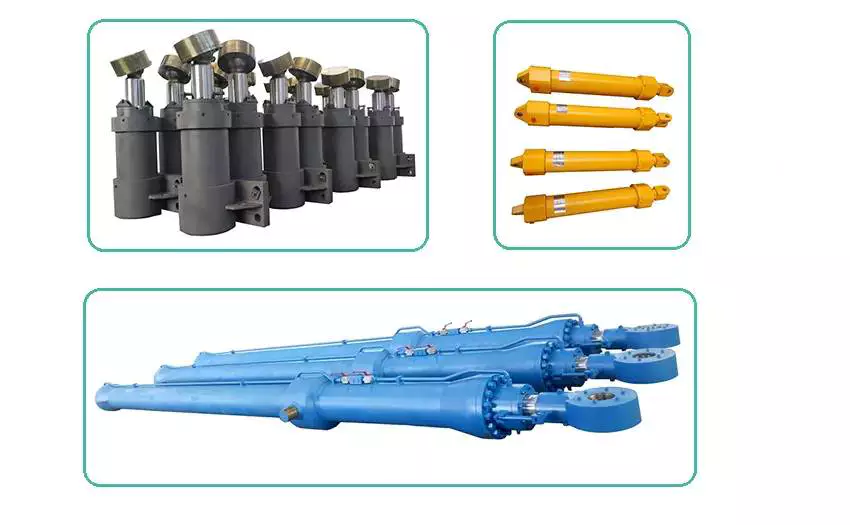
What safety considerations are important when working with hydraulic rams?
Working with hydraulic rams requires careful attention to safety to prevent accidents and ensure the well-being of personnel. Here’s a detailed explanation of important safety considerations:
1. Pressure Hazards: Hydraulic rams operate under high pressure, which can pose significant hazards if not properly managed. It is crucial to follow manufacturer guidelines and industry standards regarding maximum pressure limits. Pressure relief valves should be installed to prevent overpressurization, and pressure gauges should be used to monitor the system’s pressure levels.
2. Personal Protective Equipment (PPE): Workers involved in the operation or maintenance of hydraulic rams should wear appropriate personal protective equipment. This may include safety glasses, gloves, protective clothing, and steel-toe boots. PPE helps protect against potential hazards such as hydraulic fluid leaks, flying debris, or accidental contact with moving parts.
3. Lockout/Tagout Procedures: Before performing any maintenance or repair tasks on a hydraulic ram, proper lockout/tagout procedures must be followed. This involves isolating the hydraulic system from its power source, de-energizing the equipment, and securing it with lockout devices or tags to prevent unintentional startup. Lockout/tagout procedures ensure that the ram remains in a safe and non-operational state during maintenance activities.
4. Training and Competence: Only trained and competent personnel should operate or work on hydraulic rams. Proper training ensures that individuals understand the safe operating procedures, potential hazards, and emergency protocols associated with hydraulic systems. Competent workers are familiar with the equipment’s limitations, maintenance requirements, and troubleshooting techniques.
5. Inspection and Maintenance: Regular inspection and maintenance of hydraulic rams are essential for safety. Components should be inspected for signs of wear, leaks, or damage. Any identified issues should be promptly addressed to prevent potential failures or accidents. Maintenance tasks should be performed following manufacturer recommendations and industry best practices.
6. Fluid Handling: Hydraulic fluid used in rams can be hazardous. It is important to handle hydraulic fluid with care, avoiding skin contact or ingestion. Spills should be cleaned up promptly, and proper waste disposal procedures should be followed. Material Safety Data Sheets (MSDS) provided by the hydraulic fluid manufacturer should be consulted for specific handling and disposal guidelines.
7. Risk Assessment: Before working with hydraulic rams, a thorough risk assessment should be conducted to identify potential hazards and implement appropriate safety measures. This assessment should consider factors such as system pressure, equipment stability, environmental conditions, and human factors. Mitigation strategies should be implemented to minimize risks and ensure a safe working environment.
By adhering to these safety considerations, including managing pressure hazards, using appropriate PPE, following lockout/tagout procedures, providing training and competence, conducting regular inspection and maintenance, handling fluids safely, and performing risk assessments, the risks associated with working with hydraulic rams can be effectively mitigated, promoting a safe working environment for all personnel involved.
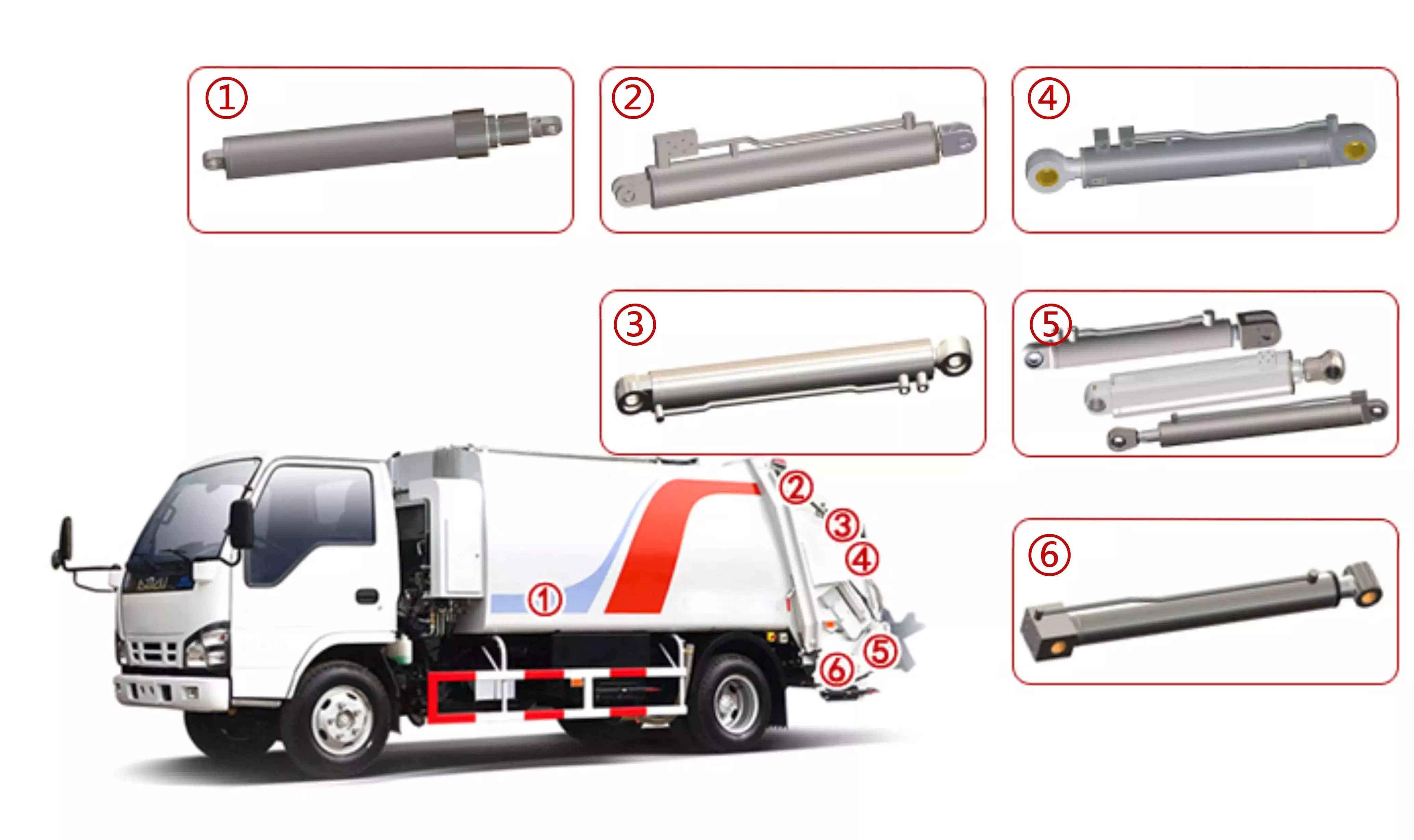
Can hydraulic rams be used in construction equipment like bulldozers?
Yes, hydraulic rams are commonly used in construction equipment like bulldozers. Here’s a detailed explanation:
1. Blade Control: Bulldozers are equipped with large blades mounted at the front, which are used for various tasks such as pushing and leveling soil, debris, or other materials. Hydraulic rams play a crucial role in controlling the movement of these blades. The hydraulic rams are connected to the bulldozer’s hydraulic system and enable the operator to adjust the angle, height, and tilt of the blade. By utilizing hydraulic rams, bulldozer operators can precisely control the blade’s position and apply the necessary force for efficient earthmoving and grading operations.
2. Ripper Attachment: Bulldozers often have ripper attachments at the rear of the machine. The ripper is used to break up hard or compacted soil, rocks, or pavement surfaces. Hydraulic rams are utilized to control the movement of the ripper attachment. The rams enable the operator to raise, lower, and angle the ripper, allowing for effective penetration and loosening of the ground. Hydraulic rams provide the necessary force and control to handle tough materials and enhance the bulldozer’s versatility in various construction applications.
3. Track System: Bulldozers feature a track system for mobility and traction on rough terrain. Hydraulic rams are integral components of the bulldozer’s track system, responsible for controlling the movement and tension of the tracks. The rams allow for adjustments in track tension to optimize the grip and stability of the bulldozer when operating on different ground conditions. By utilizing hydraulic rams in the track system, bulldozers can maneuver efficiently and maintain traction even in challenging construction environments.
4. Hydraulic Power: Hydraulic rams in bulldozers are powered by a hydraulic system that consists of a hydraulic pump, valves, and actuators. The hydraulic system provides the necessary power and control to operate the hydraulic rams effectively. Bulldozers typically have robust hydraulic systems capable of generating high forces, allowing the rams to exert significant pushing or lifting capabilities. The hydraulic power provided by the system enables bulldozers to perform heavy-duty construction tasks with precision and efficiency.
5. Operator Control: Bulldozer operators have control over the hydraulic rams through hydraulic control levers or joysticks in the operator cabin. These controls allow operators to manipulate the position, speed, and force of the hydraulic rams, providing precise control over the blade and ripper attachments. The intuitive and responsive nature of hydraulic controls enhances the operator’s ability to perform tasks accurately and efficiently.
In summary, hydraulic rams are extensively used in construction equipment like bulldozers to control the blade and ripper attachments, manage the track system, provide hydraulic power, and offer operator control. The integration of hydraulic rams enhances the performance, versatility, and productivity of bulldozers in various construction and earthmoving applications.
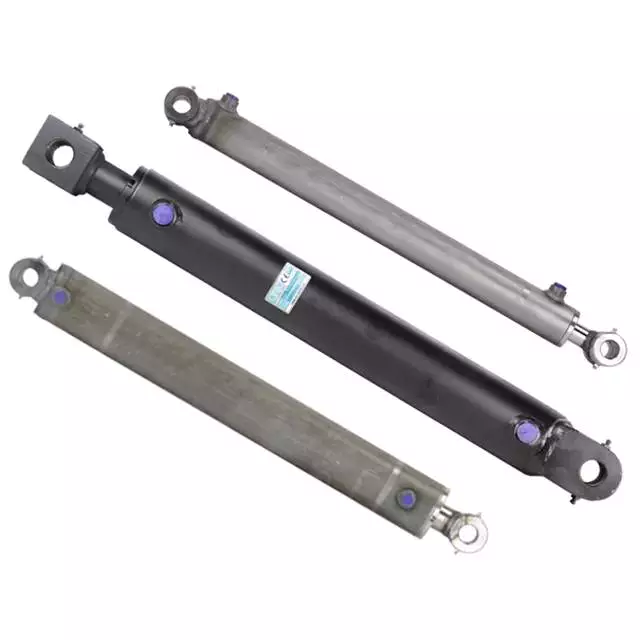
What is the importance of hydraulic fluid in a hydraulic ram?
Hydraulic fluid plays a critical role in the operation of a hydraulic ram. It serves several important functions that are essential for the ram’s performance and efficiency. Here’s a detailed explanation:
1. Transmitting Power: Hydraulic fluid is a medium that transfers power within the hydraulic ram. When water flows into the ram during the drive phase, it exerts pressure on the hydraulic fluid. This pressure is transmitted to other parts of the ram, such as the valve mechanism or the air vessel, enabling the conversion of hydraulic energy into mechanical work.
2. Lubrication: Hydraulic fluid acts as a lubricant for the moving parts of the hydraulic ram. It reduces friction between components, minimizing wear and tear and ensuring smooth operation. Proper lubrication helps extend the lifespan of the ram and improves its overall efficiency.
3. Heat Dissipation: During the operation of a hydraulic ram, heat is generated due to the conversion of hydraulic energy. Hydraulic fluid helps dissipate this heat, preventing overheating of the ram’s components. Effective heat dissipation maintains the ram’s performance and prevents damage caused by excessive temperatures.
4. Sealing and Contamination Control: Hydraulic fluid provides a sealing function within the ram. It fills the gaps and spaces between components, preventing leakage of water or air. Additionally, hydraulic fluid helps control contamination by forming a barrier that prevents external contaminants, such as dirt or debris, from entering the hydraulic system. This helps maintain the cleanliness and integrity of the ram.
5. Pressure Transmission: Hydraulic fluid is incompressible, allowing it to transmit pressure effectively within the ram. It enables the transfer of hydraulic energy from the water to the various components, ensuring the proper functioning of the ram.
6. Compatibility with Materials: Hydraulic fluid is selected based on its compatibility with the materials used in the hydraulic ram. It should not degrade or damage the ram’s components over time. Proper fluid selection ensures that the hydraulic ram operates reliably and remains in good condition.
Overall, hydraulic fluid is of utmost importance in a hydraulic ram. It transmits power, provides lubrication, dissipates heat, seals the system, controls contamination, transmits pressure, and ensures compatibility with the ram’s materials. These functions contribute to the smooth operation, efficiency, and longevity of the hydraulic ram.


editor by Dream 2024-11-28